Home / Farrow and Ball Products and Worth It / Is Farrow and Ball Paint Worth It
Farrow and Ball Products and Worth It
Is Farrow and Ball Paint Worth It
Short Answer
The worth of Farrow and Ball is in the look, not in magic durability. Buy it where that look will be seen and enjoyed, and spend less where it will be knocked about.
At a Glance
- Worth it: Quiet rooms where the flat finish and colour depth show
- Less worth it: Busy hallways, rentals and quick repaints
- Main strength: Flat, deep colour and a muted, complex colour range
- Main limit: Softer finishes that mark and need more care
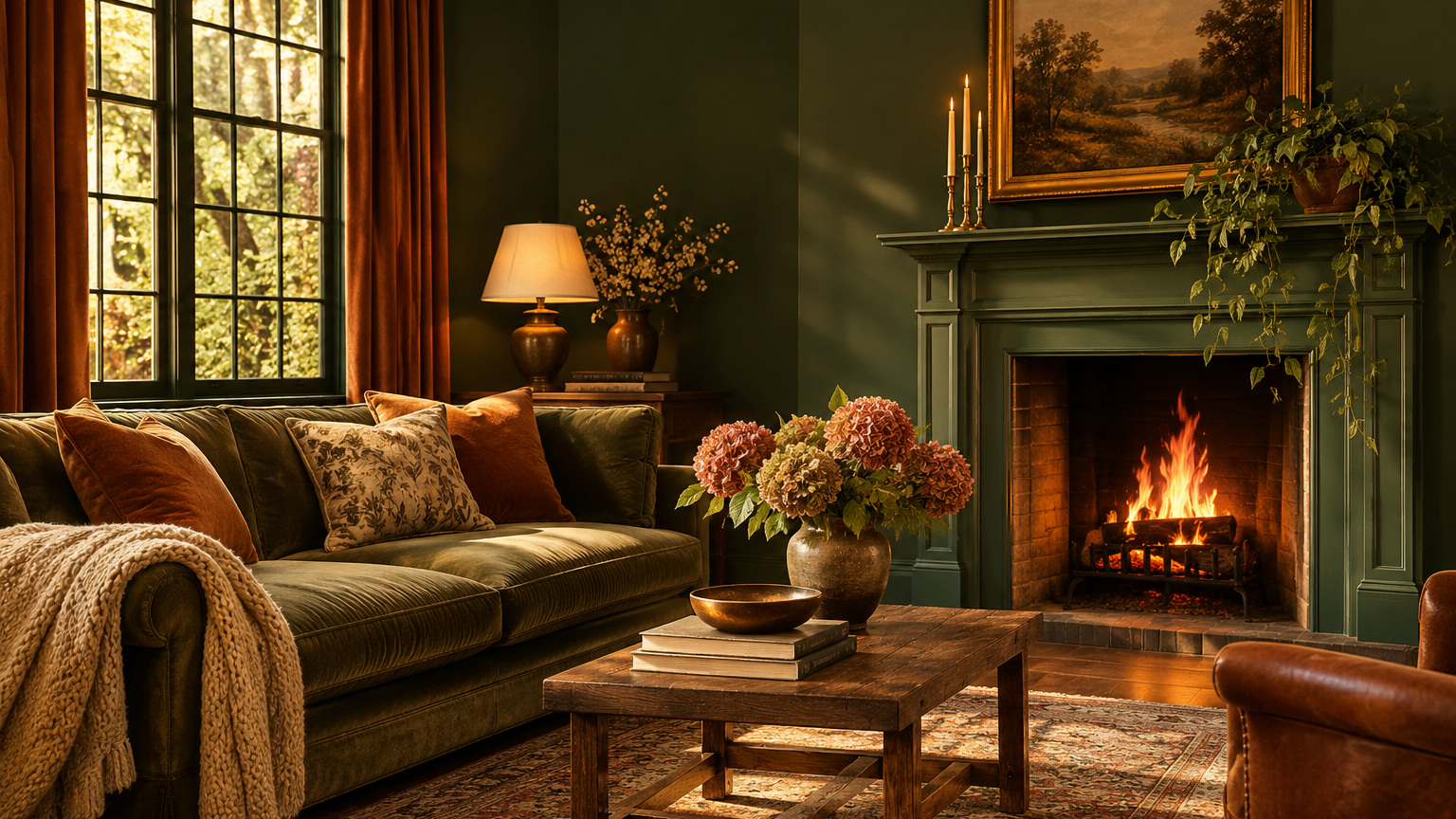
Is Farrow and Ball paint worth it? For the right room, yes, because the flat finish and the muted colour range are hard to match with a cheaper tin. For a busy hallway or a rental repaint, the extra spend buys you little that a good mid range paint cannot give. The honest answer depends on the room, not the brand.
The question behind the price
Farrow and Ball sits above most high street paint in price, and that gap is what makes people ask whether it is worth it. The brand does not claim to be the cheapest way to paint a wall, and it is not. What it offers is a particular look: flat, chalky colour in shades that are muted and complex rather than bright and simple. If that look is what you want, the price buys something real.
If you only need a clean white wall in a spare room, the same money buys little extra. A good mid range paint will cover well and look tidy, and nobody will know the difference from the doorway. Worth is therefore a question about the room and the result you want, not a verdict on the brand as a whole.
What you actually get for the money
You get a deep matt finish in Estate Emulsion, a tougher matt in Modern Emulsion, and a coordinated range of finishes for woodwork, kitchens, bathrooms and exteriors. The colours are the other half of the offer. Many shades have a grey or earthy undertone that stops them looking flat or garish on a large wall, and the range is designed so colours sit well together across rooms.
You also get a consistent system: wall paint, trim paint and wallpaper in the same colours, which makes a whole room scheme easier to plan. That coordination is genuinely useful, but it is not essential. Plenty of homes mix brands and still look good, so treat the system as a convenience rather than a reason on its own.
Where the value shows most
The value shows in rooms where you spend time looking at the walls: a living room, a bedroom, a dining room or a study. In those rooms, the flat finish and the depth of colour are visible every day, and the paint earns its keep. Period homes suit it well, because the chalky matt fits old plaster and panelled walls in a way a shiny modern paint does not.
It also shows where colour matters most. A strong dark shade in Estate Emulsion looks velvety and rich, while the same shade in a cheaper silk can look plasticky. If you are painting one feature wall in a deep colour, that single wall may be the best place in the house to spend more on paint.
Spend on Farrow and Ball where the finish will be seen every day, and save the money where it will only be knocked about.
Where the value fades
The value fades in hallways, stairs and children's rooms, where the classic matt marks easily and needs touching up. It fades in rentals and quick flips, where the next occupant may repaint anyway. It also fades on ceilings in plain white, where the finish is barely seen and a standard paint does the same job for less.
It fades, too, if the walls are in poor condition. No paint, however costly, hides bad preparation, and money spent on filler, sanding and primer will improve the result more than money spent on a dearer tin. Fix the wall first, then decide how much the top coat is worth to you.
Comparing with Dulux and other brands
Dulux and other large brands make good paint at a lower price, and for many rooms that paint is the sensible buy. Their matt finishes are often tougher and easier to wipe, and their ranges cover the plain whites and neutrals most homes need. Farrow and Ball wins on the flatness of the finish and the character of the colours, not on toughness or value.
The comparison is therefore about priorities. If you want a durable, easy to clean wall at a fair price, the larger brands serve you well. If you want a particular muted shade and a chalky matt that those brands do not quite match, Farrow and Ball is the way to get it. Farrow and Ball or Dulux sets out that choice in more detail.
How to spend wisely if you buy it
Buy sample pots first and test the colour on the wall in your own light, since a shade that looks perfect in a shop can shift at home. Use the dearer paint where it will be seen, and a plainer paint on ceilings or in cupboards where it will not. Keep the finish matched to the room: Estate Emulsion for quiet rooms, Modern Emulsion where walls get touched, and the kitchen or bathroom finish where steam and splashes rule.
Buy enough from one batch for the whole room and keep a little for touch ups, with the colour and finish written on the tin. That avoids a mismatched patch later and makes the money you spent go further. A careful job with a mid priced paint beats a rushed job with a dear one, every time.
The short verdict
Farrow and Ball is worth it when the look is the point of the job and the room will treat the paint kindly. It is not worth it as a default for every wall in the house, and it is not a shortcut around preparation. Spend where the finish will be admired, save where it will be knocked, and let the room decide rather than the label.
More guides on this topic