Home / Farrow and Ball Products and Worth It / Farrow and Ball Paint Prices in the UK
Farrow and Ball Products and Worth It
Farrow and Ball Paint Prices in the UK
Short Answer
Farrow and Ball is a premium brand, so budget for it as one. The cost drivers are the finish, the size of tin, the colour and the seller, and the cheapest route is rarely the best value.
At a Glance
- Varies by: Finish, tin size, colour and where you buy
- Trade vs retail: Trade accounts and larger tins can change the cost
- Budget tip: Sample pots first, then buy enough from one batch
- No fixed price: Prices move over time, so check before you buy
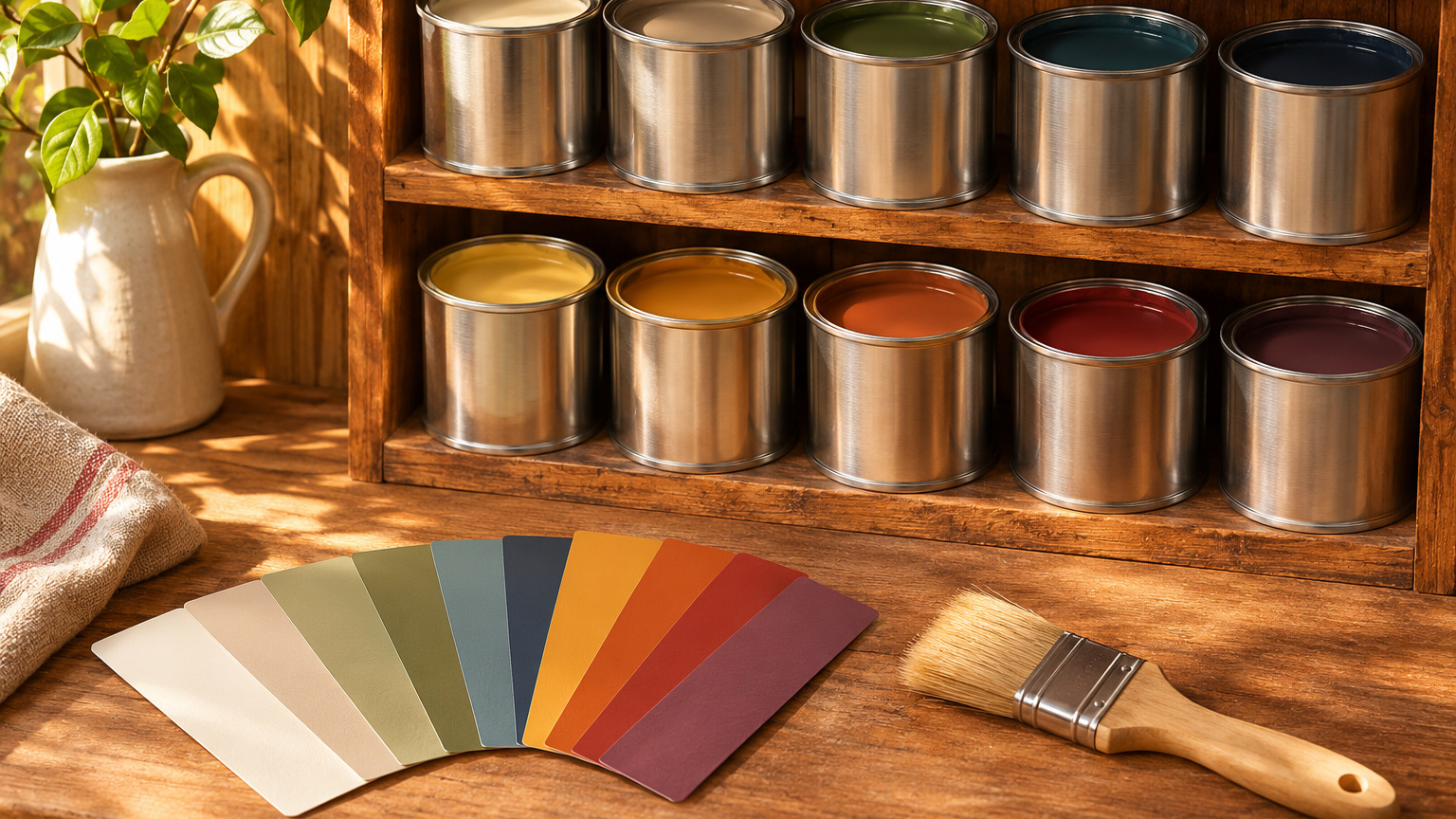
Farrow and Ball paint prices in the UK vary a lot, and the tin size, the finish and the shop you buy from all change what you pay. There is no single price for the brand, and prices move over time, so this guide does not quote figures. Instead it explains what drives the cost, so you can work out a realistic budget for your room.
Why there is no single price
Farrow and Ball sells several finishes, from Estate Emulsion to specialist kitchen, bathroom and exterior paints, and each finish is priced differently. Tin sizes differ too, from small sample pots to larger tins for whole rooms. A small tin of a specialist finish and a large tin of a standard emulsion are different purchases, so a single price would mislead more than it helps.
Colour can also affect the cost. Some deep or complex shades need more pigment or a different base, and the brand prices its range accordingly. Where you buy matters as well: the brand's own shops, independent stockists and online sellers do not always charge the same, and delivery can add to the total. Prices also change over time, which is why this guide deals in drivers rather than figures.
What affects the price most
The finish is the biggest driver. A standard wall emulsion is the entry point, while specialist finishes for kitchens, bathrooms, exteriors and woodwork sit higher. The tougher and more specialist the paint, the more it tends to cost, because the formulation does different work. Estate Emulsion is the classic wall finish, and the specialist paints build on that base with extra durability.
Tin size is the next driver. Larger tins usually work out cheaper per litre than small ones, which is why buying the right size for the job matters. A sample pot is cheap per pot but dear per litre, and it is meant for testing colour, not for painting a wall. Buying one large tin instead of several small ones is often the better value, if you have worked out how much you need.
Trade, retail and where you buy
Farrow and Ball is sold through its own shops, through independent paint stockists, and through some online sellers. Prices can differ between them, and stockists may run their own offers. It is worth checking more than one seller before a large order, especially if you are buying several tins for a whole house.
Trade accounts exist in the paint trade generally, and a decorator buying regularly may pay a different rate from a one off retail customer. If you are hiring a decorator, ask whether the paint is included in their quote or charged separately, and whether they supply it at a trade rate. That question alone can change the total by a noticeable amount, and it is better asked before work starts.
Budget for Farrow and Ball by finish, tin size and room, and check current prices with the seller before you buy.
How much paint you will need
How much paint you need depends on the size of the room, the number of coats, the condition of the walls and the colour change. A pale wall over a pale wall needs less than a dark wall over white, and new plaster drinks more paint than a previously painted wall. The brand publishes coverage guidance for its finishes, and that guidance is the right place to start, since coverage varies by finish and surface.
Work out the wall area, allow for the number of coats, and add a little extra for touch ups and waste. Buying too little means a second trip and a risk of a different batch, while buying far too much leaves dear paint sitting in a cupboard. Coverage and how much you need explains the working out in full.
Ways to keep the cost down
Test with sample pots before you commit to full tins, so you do not buy several litres of a colour you then reject. Use the premium paint where it will be seen, and a plainer paint on ceilings, inside cupboards and on walls that will be hidden by furniture. Match the finish to the room rather than buying the toughest finish for every wall, since the specialist paints cost more for durability you may not need.
Buy the right tin size for the job, and buy all the paint for one room from the same batch. If a decorator is doing the work, agree the paint supply in writing before they start. Those small steps do more to control the bill than hunting for the cheapest seller, and they protect the finish as well.
What to check before you pay
Check the colour name, the finish and the tin size on every tin before you leave the shop, since a wrong finish is a costly mistake to discover halfway up a wall. Check the batch numbers match across tins for the same room. Keep the receipt and the tin labels, and note the colour and finish in a safe place for later touch ups.
If you are buying online, check delivery charges and times, and check the returns policy for unopened tins. Paint is heavy, and returning it is rarely free. A quick check before you order saves a heavy parcel going back the way it came.
More guides on this topic