Home / Paint Finishes Explained / Oil Based Gloss Paint: When to Use It
Paint Finishes Explained
Oil Based Gloss Paint: When to Use It
Short Answer
Use oil based gloss when you want the toughest, smoothest gloss and you can wait for it to dry and harden. For most homes, a good water based gloss is easier to live with and stays whiter.
At a Glance
- Best for: a very hard, smooth gloss on woodwork
- Drying: slow, needs a full day between coats
- Smell: strong, ventilate the room well
- Whites: can yellow over time in low light
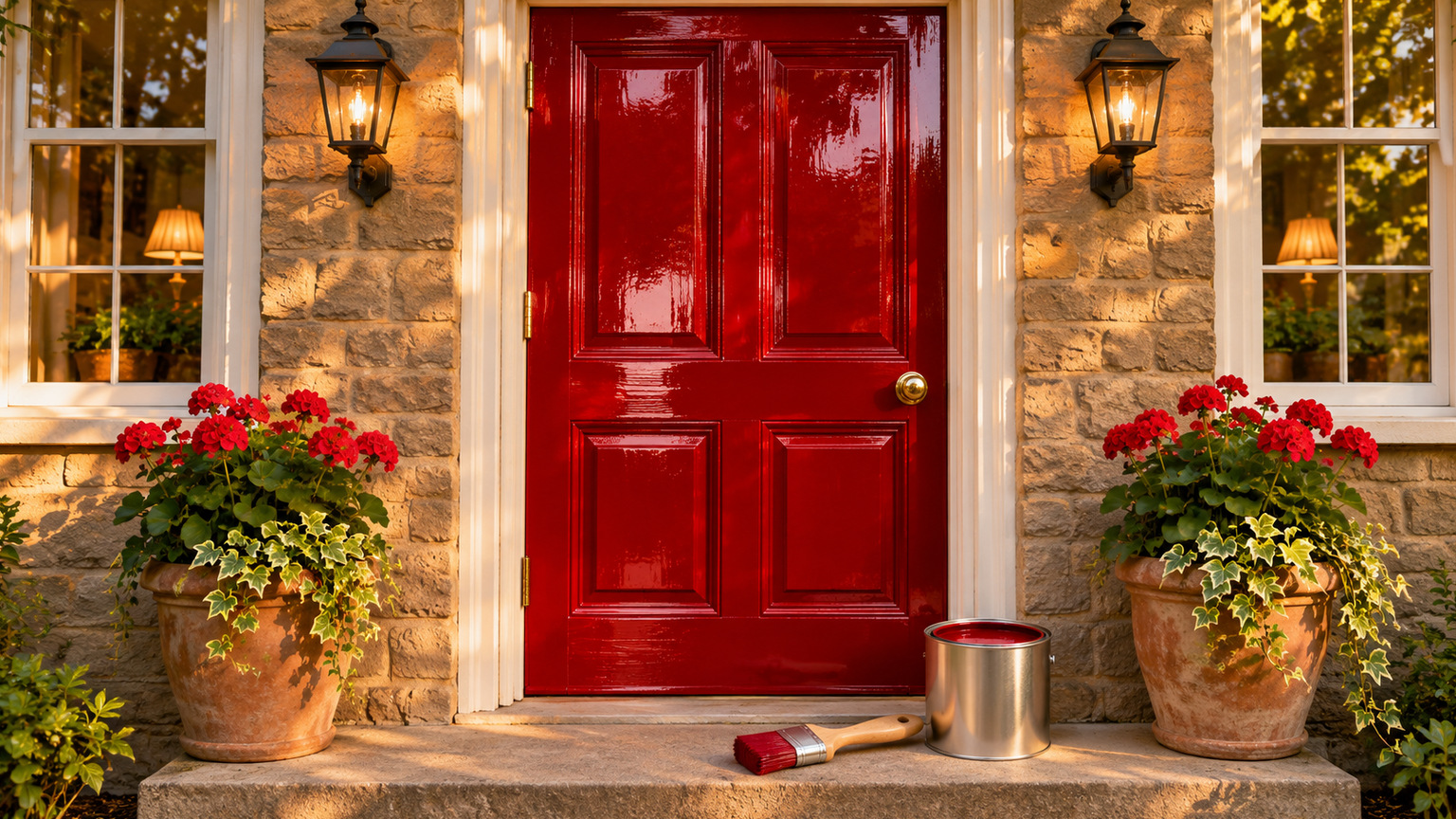
Oil based gloss paint is worth using when you want the hardest, smoothest gloss finish and you can give the job the time, ventilation and care it needs. It flows well from the brush, levels out to a bright, even shine, and cures to a very tough film. It smells strongly, dries slowly and can yellow over time, so it is no longer the default for most homes.
What oil based gloss is
Oil based gloss uses a solvent rather than water as its carrier, so it dries as the solvent evaporates and the paint cures. That slow cure is what gives it its smooth, hard finish. The paint stays workable for longer, so brush marks flow out and the surface levels to an even shine. Once fully cured, the film is very tough and resists knocks and wiping well.
That toughness comes with trade offs. The solvent smells strongly, the paint takes a long time to dry, and brushes need white spirit to clean. The paint can also yellow over time, especially white gloss in a room with little daylight. Those are the reasons many people now choose water based gloss instead.
When oil based gloss is the better choice
Oil based gloss suits a front door, a radiator or a piece of woodwork where a very hard, smooth finish is wanted and the job can be left to dry properly. It also suits a painter who is used to it and wants the long working time to get a flawless coat. On a large, flat door, that working time can make the difference between a smooth finish and one with brush marks.
It is less suited to a bedroom or a kitchen that is still in use, where the smell and the slow drying will disrupt the household. It is also less suited to white woodwork in a dark hallway, where yellowing will show. In those rooms, a water based gloss will be easier and will stay whiter.
Oil based or water based gloss
Water based gloss dries faster, smells far less, stays whiter and cleans up in water. Oil based gloss flows better, cures harder and gives a very smooth finish, but it smells strongly, dries slowly and can yellow. For most homes, water based gloss is the practical choice, and it is tough enough for doors, skirting and radiators.
The gap between the two has narrowed as water based paint has improved. A good quality water based gloss now gives a bright, hard finish that many people cannot tell from oil based once it is dry. The guide to oil based or water based paint compares the two types across walls and woodwork, and the guide to best gloss paints covers both types in more detail.
Oil based gloss rewards patience. Rush it and you will see every shortcut.
Preparing woodwork for oil based gloss
Wash the woodwork with sugar soap to remove grease and grime, then rinse and let it dry. Fill dents and holes, let the filler set, and sand it smooth. Sand the whole surface lightly to dull any old gloss and give the new paint a key. Wipe away the dust and prime bare wood and filled areas with a primer made for the job.
If the old paint is oil based and sound, a light sand is usually enough. If it is water based and sound, the same preparation works, though a primer may help the oil based gloss grip. Test a small area first if you are unsure, and check the bond once it is dry before you commit to the whole job.
Applying oil based gloss
Use a good brush, load it well, and apply the gloss in thin, even coats. Work along the woodwork in steady strokes, keeping a wet edge, and let the paint flow out rather than forcing it. Do not go back over paint that has started to dry, or you will leave brush marks that will not flow out.
Ventilate the room well and keep it warm enough for the paint to dry, but do not use strong direct heat, which can skin the surface while the paint underneath stays soft. Let each coat dry fully, which may take a full day, before you sand very lightly and apply the next. Two coats over a sound primer usually give a bright, even finish.
Cleaning up and staying safe
Clean brushes in white spirit, following the product guidance, and store used spirit safely for disposal as your local rules advise. Do not pour white spirit down a drain. Keep the room ventilated while you paint and while the paint dries, and keep the paint away from heat and out of reach of children.
Wipe up spills promptly with a cloth dampened with white spirit, and wash your hands well after painting. Oil based paint is safe to use when the maker guidance is followed, but it needs more care than water based paint, and that care is part of the job.
Keeping an oil based gloss looking good
Once fully cured, oil based gloss wipes clean with a soft cloth and warm soapy water, and it resists knocks well. Avoid scouring pads, which dull the shine. Touch up chips early with a small brush, so a small knock does not let moisture into the wood.
Watch for yellowing on white woodwork, especially in a dark room. If it yellows badly, a fresh coat of water based gloss over a sound, prepared surface may be the better choice next time. The overview of paint finishes explained will help you compare gloss with satin and eggshell for the next room you paint.
More guides on this topic