Home / Johnstone's Paint / Johnstone's Paint Prices in the UK
Johnstone's Paint
Johnstone's Paint Prices in the UK
Short Answer
Johnstones is a mid range trade brand, so budget by the job: the product, the amount, and who is buying it. The cheapest tin is rarely the cheapest job.
At a Glance
- Main driver: Which product you choose, from standard emulsion to Covaplus
- Tin size: Larger tins usually work out cheaper per litre
- How you buy: Trade counter, stockist or retailer can change the total
- Check: Current price with the seller, since prices move
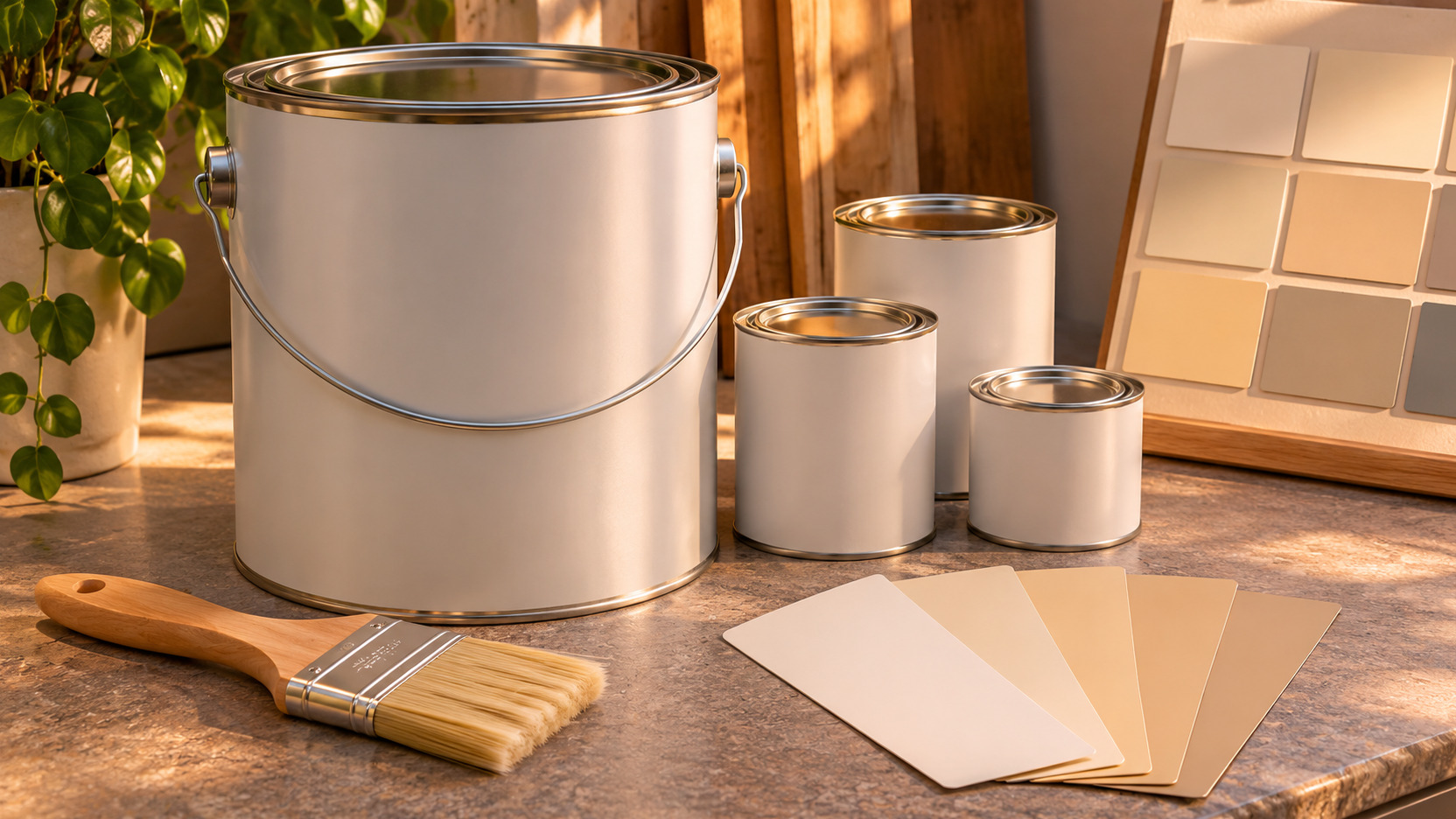
Johnstones paint is a trade brand, and trade brands are priced for a job rather than a single tin, so the bill for a Johnstones repaint depends on how much wall you have and how the paint is bought. A decorator buying from a trade counter will see a different total from a homeowner buying one tin from a stockist.
A trade brand, priced for a job
Johnstones is sold through trade counters and decorating merchants as much as through retail shops, and that shapes how it is priced. A decorator buying several large tins for a house will pay a different rate from a homeowner buying a single tin for a bedroom, and the trade price reflects the volume and the regularity of the buying. Neither price is wrong, they are prices for different kinds of customer.
For a homeowner, that means the first question is not how much a tin costs, but how much wall you have to paint. A whole house is a trade sized job, even if you are doing it yourself, and Johnstones trade paint may be the better buy for it. A single room is a retail sized job, and a retail tin in the exact colour you tested is the simpler buy.
Products: Covaplus and the rest
Covaplus Vinyl Matt is the well known wall paint in the range, made for walls and ceilings across a whole house, and it sits above a basic matt in price because it covers well and dries to a tougher film. Standard emulsion is the entry point for a plain wall, while specialist finishes for kitchens, bathrooms and exteriors sit higher, because they are made for a harder job.
The product you choose affects how much paint you use as well as what a tin costs. A strong colour change needs more coats, and a bare surface drinks more paint than a sealed one, so a dark shade over white will cost more in paint than a pale shade over cream, even if the tins cost the same. Allow for the coats in your sums, and the budget will be honest.
Tin sizes and the amount you need
Sample pots are for testing a colour, not for painting a wall, and they work out dear per litre. Small tins suit a small job, but a large room painted from small tins will cost more than the same room from one large tin. Larger tins usually work out cheaper per litre, which is why measuring the room before you shop is the first saving.
Work out the wall area, allow for the number of coats, and add a little for waste and touch ups. Coverage and how much you need explains the working out. Buying too little means a second trip and a risk of a different batch, while buying far too much leaves paint in a cupboard that may not keep. Buy the amount your sums suggest, with a small margin.
Budget by the job, not by the tin. List the rooms, work out the amount, and agree the paint supply before work starts.
Where you buy and what you pay
Paint stockists, decorating merchants, trade counters and large retailers all sell Johnstones, and they do not always charge the same. A trade counter may offer a trade rate to a regular customer, a stockist may offer advice that saves you buying the wrong finish, and a large retailer may run an offer. It is worth checking more than one seller before a large order, and worth asking about delivery if you are ordering online.
If you are hiring a decorator, ask whether they buy the paint themselves and whether it is included in their quote. A decorator with a trade account may pay less for the paint than you would, and that saving may be passed on in the quote, or it may not. Ask the question, and agree the arrangement in writing before work starts.
Sundries: the costs people forget
Filler, primer, masking tape, rollers, brushes and dust sheets are part of every paint job, and they add up. A tin of primer for new plaster is not optional, and skipping it to save money will cost more in top coats later. A decent roller and brush are a small cost that shows in the finish, while a worn roller leaves marks that a second coat cannot fix.
Add the sundries to the budget at the start, so the total is honest. A first time painter often budgets for the paint and then discovers the tools, and that discovery is what makes a job feel expensive. A list made before the shop visit, with tools included, keeps the total where you planned it.
Decorators, quotes and coats
A decorator's quote needs to say whether paint is included, which product will be used, and how many coats are allowed for. A quote that assumes one coat will look cheap and then grow, while a quote that allows for two coats is honest from the start. Agree the colour, the finish and the number of coats in advance, and keep the agreement in writing.
Also agree who supplies the paint and when it needs to be on site. A decorator who arrives to find no paint will charge for the lost time, and a homeowner who buys the wrong finish will pay for the repaint. A short conversation before the job starts saves both of those costs, and it is the cheapest part of the whole job.
A budget you can trust
List the rooms, note the finish each one needs, and work out the paint from the brand's coverage guidance. Add a margin for waste and touch ups, add the sundries, and check the current price with the seller you plan to use. That is a budget you can trust, and it will survive a trip to the shop.
Keep the receipt and the tin labels, and note which colour went where. A later touch up is far cheaper when you know exactly what was used, and a sealed spare tin is easier to keep than a half used one that has skinned over. Budget once, buy once, and keep the records.
More guides on this topic