Home / Valspar Colours and Products / Valspar Premium Blend Paint Explained
Valspar Colours and Products
Valspar Premium Blend Paint Explained
Short Answer
Premium Blend is worth it where the wall finish will be seen up close. In a quiet, well lit room, the smoother finish shows. In a cupboard or a quick repaint, it does not.
At a Glance
- Grade: Higher grade wall and ceiling paint in the range
- Finish: Smoother, more even finish than standard emulsion
- Best for: Living rooms, bedrooms and dining rooms
- Worth it: Where the finish will be seen and enjoyed
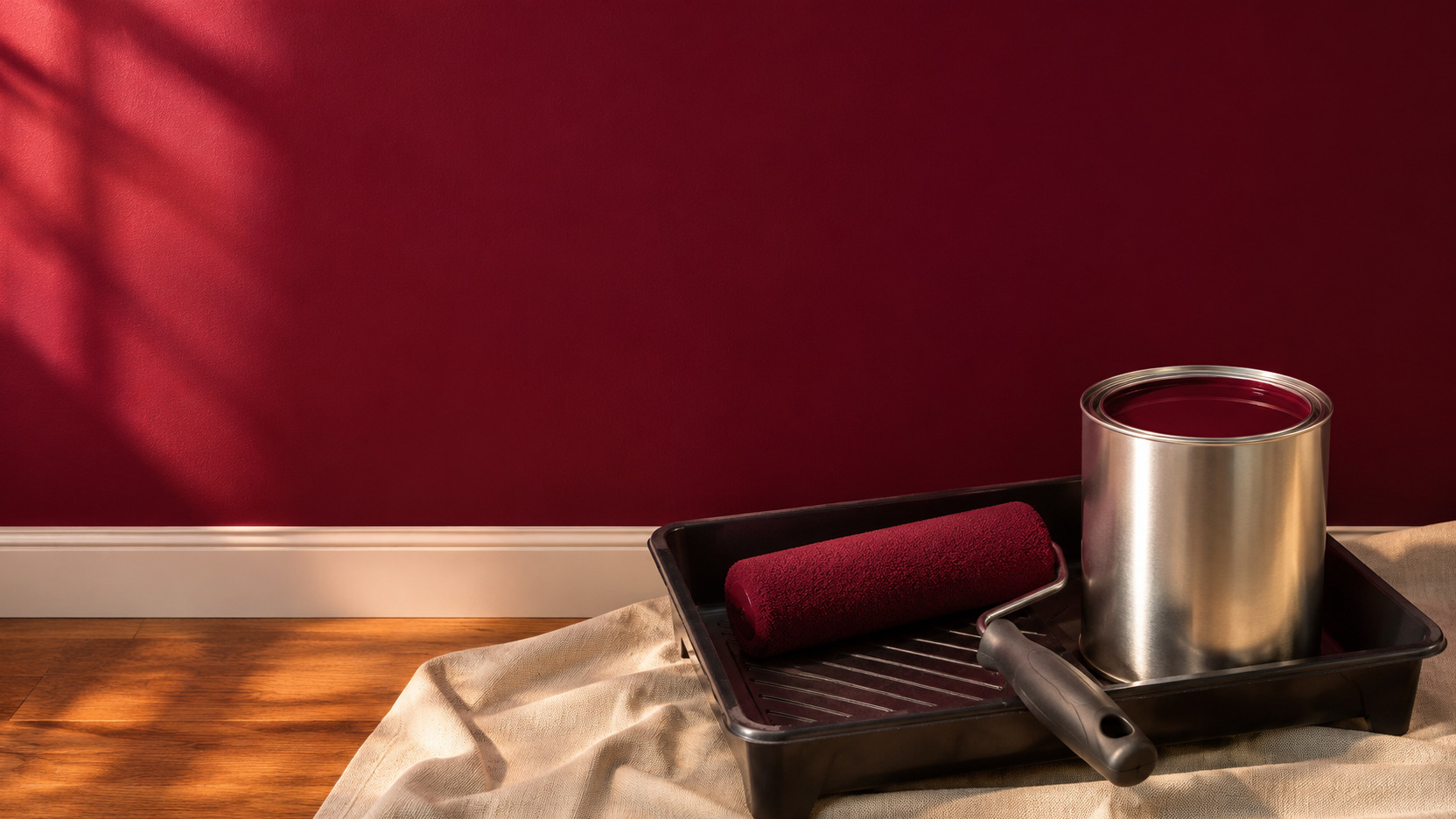
Valspar Premium Blend is the brand's higher grade paint for walls and ceilings, made to give a smoother finish and better coverage than the standard range. It is aimed at rooms where the finish will be looked at closely, and where you want the colour to look even and rich. It is not the cheapest tin in the range, so the question is whether the room earns the extra spend.
What Premium Blend is
Premium Blend is a higher grade emulsion from Valspar, made for interior walls and ceilings. It is formulated to give a smoother, more even finish than the brand's standard emulsion, with better coverage on a sound surface. The paint is mixed to order in store, like the rest of the range, so it is available in the same wide choice of colours. The difference is in the paint itself, not in the colour system.
It is aimed at the main rooms of the house, where the walls are seen every day and the finish matters. A smoother finish shows the colour more evenly, and it is less likely to show roller marks or patchiness when the paint is applied well. That smoothness is the main reason to choose it over the standard range.
Finish and look
Premium Blend dries to a matt finish that looks smooth and even, with colour that sits well across the wall. In a pale shade, the finish looks clean and calm. In a deeper shade, the colour looks rich and even, without the patchiness that a thinner paint can show. The finish is not shiny, so it keeps the soft look that suits living rooms and bedrooms.
The smoother finish also means the paint is less forgiving of poor preparation. A bump or a ridge in the wall will still show, and a flat paint cannot hide it. Good preparation is therefore more important, not less, when you use a higher grade paint. Fill, sand and dust down before you start, and the finish will reward the effort.
Coverage and application
Premium Blend is made to cover well on a sound, previously painted wall, and it is often chosen for a colour change where even coverage matters. The brand's guidance for the product is the place to start for coverage, since coverage varies by surface and colour. A strong colour change will still need enough coats, and a bare or porous surface will drink more paint than a sealed one.
Apply it with a roller for large areas and a brush for edges, keeping a wet edge and working in sections. Use even pressure and avoid overrolling, which can leave marks. Two coats are the normal route to an even finish, with the first fully dry before the second. A steady pace and a good roller give a better result than rushing.
Use Premium Blend where the finish will be seen and the wall is well prepared. Elsewhere, the standard paint does the job.
Where it works best
Premium Blend works best in living rooms, bedrooms, dining rooms and studies, where the walls are seen up close and the finish is part of the room. It suits a feature wall in a deep colour, where even coverage matters, and it suits a pale room where patchiness would show. It also suits a room that has just been replastered and prepared well, since the smooth wall and the smooth paint suit each other.
It is less necessary in a hallway, a utility room or a quick repaint, where a standard emulsion will do the same practical job for less. It is also less necessary on a ceiling in plain white, where the finish is barely seen. Use Premium Blend where the finish will be admired, and the standard range where it will not.
Premium Blend compared with standard Valspar
The standard Valspar emulsion is a sound, practical paint for most walls, and it covers well for its grade. Premium Blend aims higher: a smoother finish, better coverage and a more even colour, especially in deeper shades. The difference is visible in a well lit room, where a standard paint can show slight patchiness and Premium Blend looks more uniform.
The difference is smaller in a dim room or on a wall that is mostly hidden by furniture. If the wall is in a dark corner or behind a large bookcase, the extra smoothness will not be seen. Choose the colour first, then decide whether the room earns the higher grade paint, rather than buying the dearer tin by default.
Cost and value
Premium Blend costs more than the standard range, and the gap adds up across a whole house. For one room, the extra spend is modest and the finish is the reward. For every wall in a house, the gap becomes a serious sum, and the value fades on ceilings, in cupboards and on walls that are rarely seen. A common compromise is to use Premium Blend in the main rooms and the standard paint elsewhere.
If you are hiring a decorator, ask whether Premium Blend is included in the quote or charged as an extra, and agree the paint in writing before work starts. That avoids a surprise on the bill and avoids the decorator using a different paint from the one you expected.
Mistakes to avoid
The most common mistake is buying Premium Blend and then skipping preparation, expecting the dearer paint to hide a rough wall. It will not, and the smooth finish will show the faults more clearly. Another mistake is judging the paint from a small sample and then being surprised by the colour across a whole wall. A third is buying too little and having to mix a second batch mid room, which can show as a slight colour shift.
More guides on this topic