Home / RAL Colours and Trade Colours / RAL 9016 Traffic White Paint: A Complete Guide
RAL Colours and Trade Colours
RAL 9016 Traffic White Paint: A Complete Guide
Short Answer
RAL 9016 is the brighter, cooler white. Compare it with RAL 9010 in place.
At a Glance
- Bright cool white: RAL 9016 is brighter and cooler than RAL 9010
- Crisp for commercial use: It suits offices, shops and modern interiors
- Compare with RAL 9010: The two whites differ more on a wall than on a chart
- Check in daylight: Look at samples in the room where they will be used
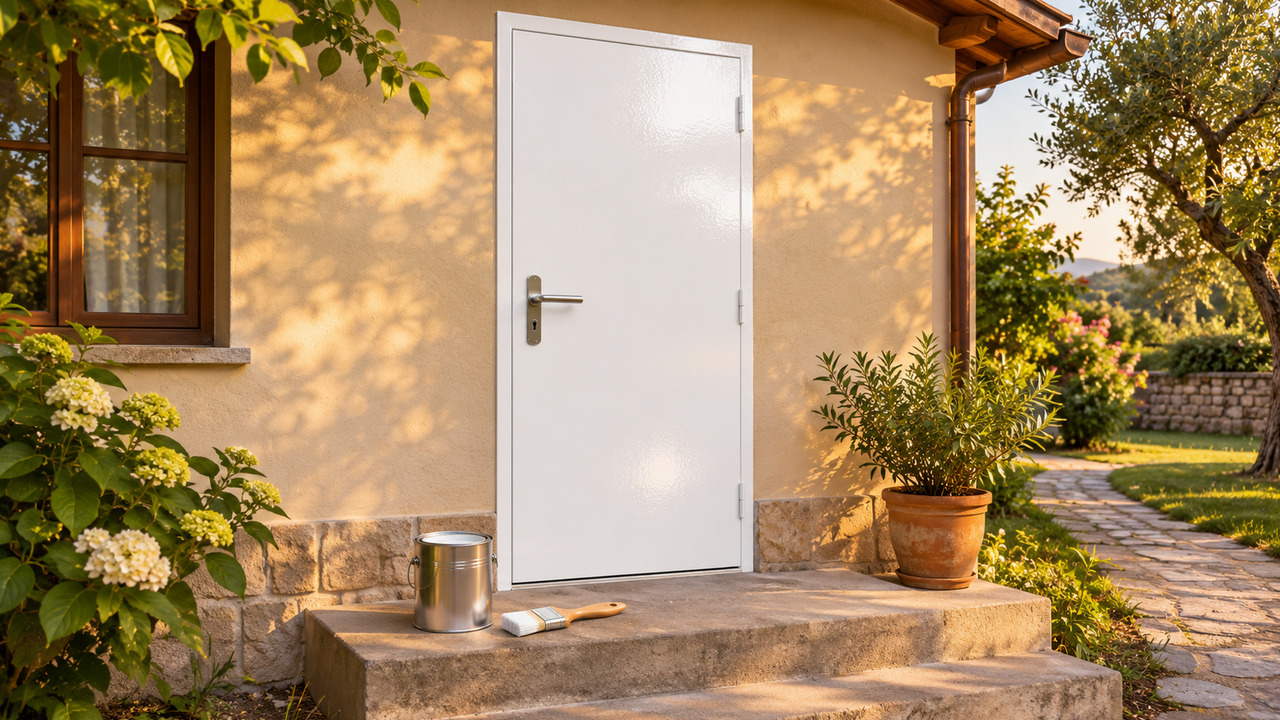
RAL 9016 traffic white is a bright, cool white that looks sharper and cleaner than RAL 9010 pure white. It is often used for windows, doors and commercial interiors where a crisp white is wanted. The difference between the two whites is small on a chart and obvious on a wall, so compare samples side by side in place before you decide.
What RAL 9016 is
RAL 9016 is traffic white in the RAL Classic chart. It is a bright white with a cool tone, brighter than RAL 9010 pure white. It was originally used for road markings and traffic signs, which is where the name comes from, but it is now widely used for windows, doors and interiors.
Traffic white is a clean, sharp white that looks modern and crisp. It is less warm than RAL 9010, and it can look almost blue in some lights. The difference is subtle on a small sample, but clear on a large surface.
Where RAL 9016 works
RAL 9016 works on windows and doors, especially in modern houses and commercial buildings where a crisp white is wanted. It also works in kitchens, bathrooms and offices, where a bright white looks clean and fresh.
It is less suited to a period house or a room where you want a warm, soft white. In those settings, RAL 9010 or an off white may be a better choice. Consider the style of the room before you choose.
RAL 9016 versus RAL 9010
The main difference is brightness and tone. RAL 9016 is brighter and cooler, while RAL 9010 is softer and more natural. On a chart, the difference looks small. On a wall, next to each other, it is clear.
If you are matching existing windows or doors, check which white they are. A new door in RAL 9016 next to a window in RAL 9010 will look mismatched, even though both are white. Always check the code, not just the name.
Traffic white is brighter and cooler than pure white. Compare both in place.
RAL 9016 on windows and doors
On windows, RAL 9016 gives a bright frame that stands out against brick, grey and timber. It is a popular choice for new uPVC and aluminium windows, and it can be matched in paint for a timber door.
White frames in RAL 9016 show dirt, so they need regular cleaning. Wash them with warm soapy water, and check the seals. A clean bright frame looks far better than a dirty one, whatever the white.
RAL 9016 indoors
Indoors, RAL 9016 suits ceilings, skirting and doors in a modern home, where a crisp white gives a clean edge. It also suits kitchen units, where a bright white looks hygienic and fresh.
In a room with warm wood floors or warm lighting, RAL 9016 can look cold. Test a sample in the room, with the lighting you use in the evening, before you commit to a whole room in traffic white.
Light and RAL 9016
Traffic white changes with light, like all whites. In daylight, it looks bright and clean. In artificial light, especially warm light, it can look less bright. Look at a sample in the room, in daylight and in the evening.
A large area of RAL 9016 will look brighter than a small sample, so test a larger area if you can. Paint a board in the colour and hold it up in place, to see how it looks against the other colours in the room.
Choosing between the whites
Choose RAL 9016 if you want a bright, crisp white for a modern space, and you are matching other items in traffic white. Choose RAL 9010 if you want a softer, more natural white, and you are matching existing pure white items.
If you are unsure, get samples of both and compare them side by side in the room. Live with them for a few days, looking at them in different light, before you decide. The right white is the one that looks right in your room.
RAL 9016 in commercial interiors
Offices, shops and clinics often use RAL 9016, because a bright white looks clean and professional. A commercial interior in traffic white needs good lighting, or it can look cold. Pair it with warm wood, coloured furniture or plants, so the space does not feel clinical.
A commercial space painted in RAL 9016 needs a paint that can be wiped clean, because walls get marked. The RAL colour chart gives the code, and a sample on the wall is the test before you paint a whole office.
RAL 9016 on ceilings
Ceilings in RAL 9016 look bright and clean, and they reflect light into a room. A ceiling in traffic white suits a modern home, where a crisp white gives a clean edge against coloured walls. A ceiling in pure white is softer, so compare the two before you choose.
A ceiling painted in traffic white shows marks less than a wall, because it is out of reach, but it still needs a good primer on bare plaster. RAL 9010 pure white is the softer alternative, and the choice depends on the light in the room.
More guides on this topic