Home / Primers Sealers and Fillers / Primer for Metal: A Complete Guide
Primers Sealers and Fillers
Primer for Metal: A Complete Guide
Short Answer
Clean metal, remove rust, prime promptly. The metal type decides the primer.
At a Glance
- Rust needs inhibiting primer: Steel and iron need a primer that stops rust
- Aluminium is different: Non ferrous metal needs a primer made for it
- Galvanised needs special primer: Its coating needs a primer that bonds to it
- Prime soon after cleaning: Bare metal rusts quickly, so do not leave it
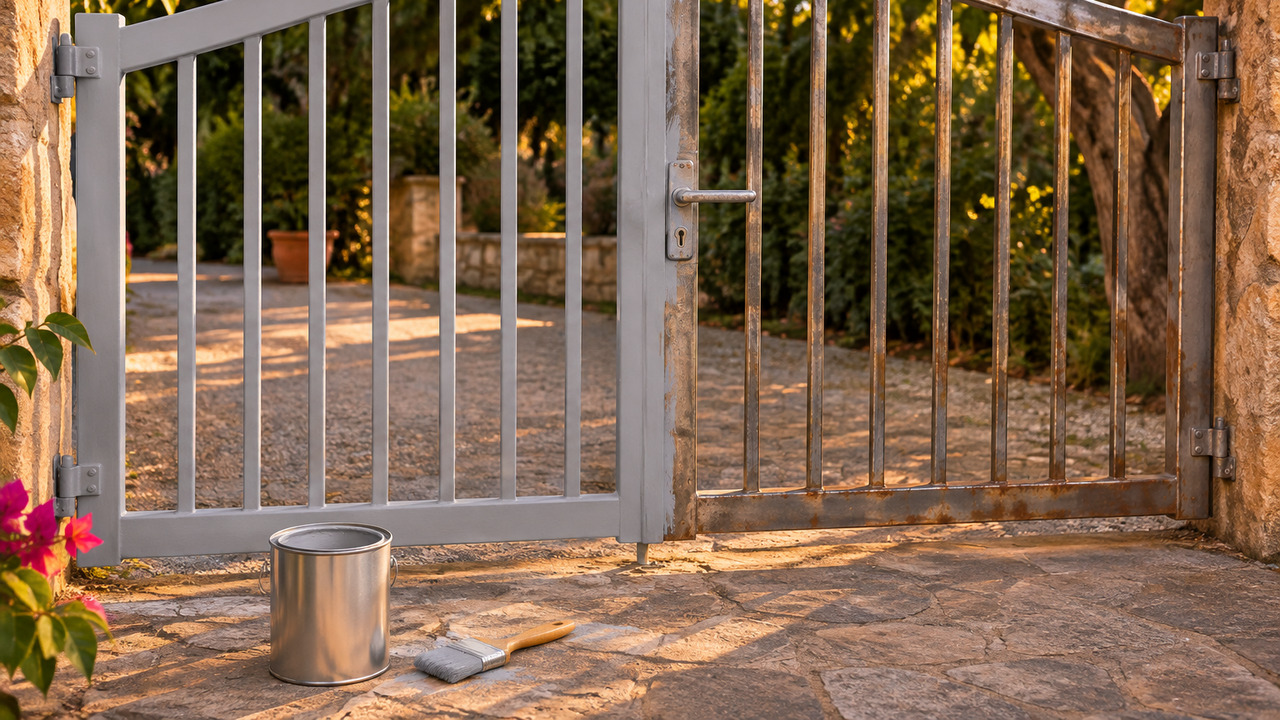
Primer for metal stops rust and gives paint a surface to grip. Steel and iron need a rust inhibiting primer, aluminium needs a primer made for non ferrous metal, and galvanised steel needs a special primer that bonds to its coating. Clean the metal, remove rust and grease, prime soon after, and the topcoat will last.
Why metal needs primer
Metal is smooth, so paint does not grip it well without primer. Primer bonds to the metal and gives the topcoat a surface to hold onto. Without primer, paint peels, especially on exterior metal that gets wet.
Primer also protects metal from rust. A rust inhibiting primer creates a barrier that stops moisture reaching the steel. On iron and steel, this protection is as important as adhesion.
Primer for steel and iron
Steel and iron rust quickly once bare, so they need a rust inhibiting primer. Clean the metal first, remove rust with a wire brush, and apply the primer as soon as the surface is dry. Do not leave bare steel overnight in damp weather.
A red oxide primer is a traditional choice for steel, while modern rust inhibiting primers are also widely sold. Choose one made for the metal and the location, and follow the maker guidance on drying and topcoating.
Primer for aluminium
Aluminium does not rust like steel, but paint can peel from it if the wrong primer is used. Aluminium needs a primer made for non ferrous metal, often called an etch primer, which bonds to the smooth surface.
Clean aluminium with a suitable cleaner, rinse and let it dry, then apply the primer in a thin coat. Do not use a steel wire brush on aluminium, as it can leave particles that cause corrosion. Use a brush made for aluminium.
Match the primer to the metal, clean it well, and prime it promptly.
Primer for galvanised steel
Galvanised steel has a zinc coating that protects it from rust, but paint does not stick to it easily. It needs a primer made for galvanised metal, which bonds to the zinc coating. Ordinary metal primer may peel from galvanised steel.
New galvanised steel may have an oily coating that needs cleaning first. Wash it with a suitable cleaner, rinse and let it dry, then apply the primer. Old galvanised steel that has weathered may take primer more easily, but still needs the right product.
Preparing metal before priming
Remove loose paint, rust and dirt with a wire brush and sandpaper. Wash the metal with a suitable cleaner to remove grease, rinse and let it dry fully. A clean, dry surface is essential for primer to bond.
Check for rust in joints and corners, where it hides. Treat rust with a converter or remove it fully before you prime. Primer over rust will not stop it spreading, so remove as much as you can first.
Applying metal primer
Apply primer with a brush, roller or sprayer, in a thin, even coat. Pay attention to edges, joints and corners, where rust starts. Let the primer dry fully before you topcoat, and check the tin for drying times.
Do not apply primer in damp or cold weather, or it may not cure properly. Paint in dry weather, and bring small metal items under cover if rain is forecast. A primer applied in good conditions lasts far longer.
Metal primer mistakes
The most common mistake is priming over rust or grease, which stops the primer bonding. Another mistake is using the wrong primer for the metal, such as a steel primer on aluminium. A third mistake is leaving bare metal unprimed for days, so rust starts before you paint.
Do not skip primer on exterior metal, even if the topcoat claims to be self priming. A dedicated primer gives better protection and a longer lasting finish. If you are unsure which primer to use, ask at a paint counter.
Primer for garden metal
Garden metal, such as gates, railings and furniture, needs a primer that resists rain and rust. Clean the metal, remove rust with a wire brush, and apply a rust inhibiting primer as soon as the metal is dry. Work on a dry day, and move small metal pieces under cover when rain is expected.
A garden gate that is primed well will hold paint for years, while one that is painted without primer will rust at the joints first. Check the primer each year, and touch up worn areas before rust spreads.
Primer for radiators
Radiators need a primer that can handle heat, and a topcoat made for radiators. Strip loose paint, clean the metal, and prime bare patches with a metal primer. Let it dry fully, then topcoat with a radiator paint. Paint a radiator when it is cold, with the heating off.
A radiator that is painted while hot will blister, and a primer that is not made for heat may fail. Zinsser BIN primer can help on a radiator with stains, and primer for wood is a different product for a different material.
More guides on this topic