Home / Primers Sealers and Fillers / Plaster Primer: What It Is and When to Use It
Primers Sealers and Fillers
Plaster Primer: What It Is and When to Use It
Short Answer
Bare plaster needs primer. Sound paint does not. That is the rule.
At a Glance
- Seals bare plaster: Plaster primer stops new plaster drinking paint
- Use on new plaster: New plaster, bare patches and skimmed walls need primer
- Not needed on sound paint: Sound paint is already sealed, so primer adds nothing
- Mist coat is similar: A thinned emulsion mist coat does a similar job
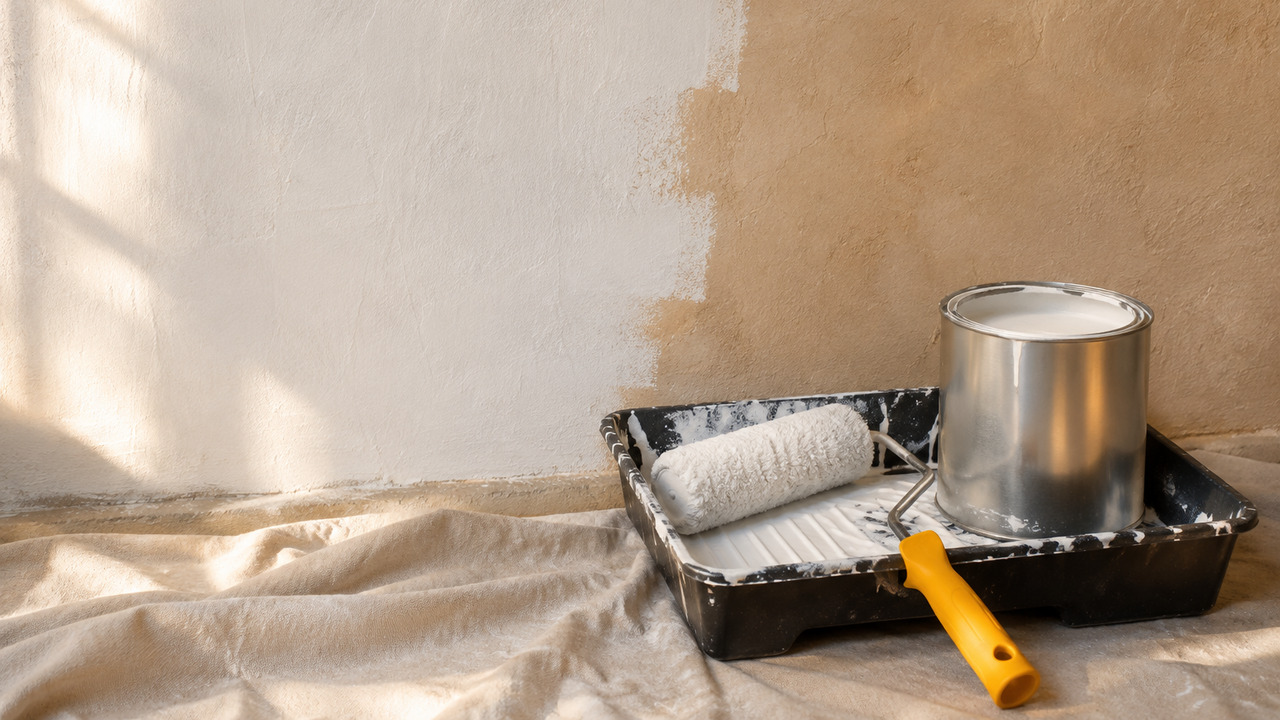
Plaster primer seals bare plaster so it does not drink paint unevenly. Use it on new plaster, bare patches and skimmed walls, before any topcoat. It gives the paint a base to grip, evens out colour and stops patchiness. On sound paint, you do not need it, because the old paint is already a sealed surface.
What plaster primer is
Plaster primer is a primer made for bare plaster and plasterboard. It soaks into the porous surface and seals it, so topcoat goes on evenly and bonds well. Without primer, paint is absorbed unevenly, and the finish looks patchy.
Plaster primer is usually water based, low odour and easy to apply with a brush or roller. It dries quickly, and it can be topcoated the same day in many cases. Check the tin for drying times.
When to use plaster primer
Use plaster primer on new plaster, on bare patches where paint has been stripped, and on skimmed walls. These surfaces are porous and need sealing before topcoat. A primer gives a uniform base, so the colour looks even.
Use it also on plasterboard joints that have been filled and sanded, where the filler and board absorb paint differently. A primer evens out the absorption and stops the joints showing through the paint.
When you do not need it
You do not need plaster primer on sound paint, because the old paint is already a sealed surface. Painting over sound paint only needs cleaning and a light sand, not a primer. Using primer there wastes time and paint.
You also do not need it on a wall that has already been primed and painted, unless the paint is peeling or the surface is damaged. Judge the surface, not the tin. If the wall is sound, paint it.
Bare plaster, bare patches, skimmed walls. Prime them, then paint.
Plaster primer versus mist coat
A mist coat is a coat of emulsion thinned with water, applied to bare plaster. It seals the plaster in a similar way to a primer, and it is cheap. Many painters use a mist coat on new plaster, and it works well.
A dedicated plaster primer may be better on very porous plaster, or where the maker advises it. It can give a more uniform seal than a mist coat. Choose the method that suits the plaster and the paint you plan to use.
How to apply plaster primer
Clean the plaster first, removing dust and loose material. Apply the primer with a brush or roller in an even coat, and let it dry fully before you topcoat. Do not apply topcoat while the primer is still damp.
Work in sections, and keep a wet edge so the primer does not dry in patches. Ventilate the room, and wear gloves if the product advises it. A primer coat is quick to apply, and it saves a repaint later.
Plaster primer on plasterboard
Plasterboard is less porous than plaster, but its joints and screw heads need priming. A primer over the whole board gives a uniform base, especially if the board will be painted in a light colour. It also helps the topcoat grip.
Tape and fill the joints first, sand them smooth, then prime. A primer over unfilled joints will not hide them, so preparation still matters. The primer is the last step before painting, not a substitute for filling.
Common mistakes
The most common mistake is painting bare plaster without primer, which leads to patchy colour and peeling paint. Another mistake is applying topcoat before the primer is dry, which stops it bonding properly.
A third mistake is using a primer on a damp wall. Plaster must be dry before priming, or the primer will not seal properly. Let new plaster dry fully, which can take time, before you prime it.
Plaster primer on ceilings
Ceilings in new plaster need primer just as walls do, because bare plaster drinks paint unevenly. Apply the primer with a roller on an extension pole, work in sections, and let it dry fully before you topcoat. A ceiling that is not primed will look patchy, and the patchiness is very visible in overhead light.
A ceiling primer coat is quick to apply, and it saves a repaint. Work in good light, so you can see where you have primed, and keep a wet edge so the primer does not dry in patches.
Plaster primer and paint choice
The primer you choose should suit the topcoat you plan to use, so check the paint label for primer advice. A water based primer suits water based emulsion, while an oil based topcoat may need a different primer. Ask at a paint counter when you are not certain which product to buy.
A primer that is tinted to match the topcoat can help coverage, especially when you are painting a dark colour over bare plaster. Priming new plaster covers the drying and mist coat steps, and Zinsser BIN primer is for stains, not for whole walls.
A tinted primer can help when you are painting a dark colour over bare plaster, because it gives the topcoat a head start on coverage. Ask at a paint counter for a primer tinted to match your topcoat, and test it on a small area first. A tinted primer is not essential, but it can save a coat of topcoat on a large wall, and it makes patchy areas easier to spot before you finish.
More guides on this topic