Home / Fence Paint / Painting a New Fence: When and How
Fence Paint
Painting a New Fence: When and How
Short Answer
In brief, painting a new fence works when the fence panel is sound, clean and dry, the paint suits the material and the weather, and each coat of painting a new fence is left to settle before the next. That is the whole job of painting a new fence in one sentence, and the sections below fill in the detail for the fence panel.
At a Glance
- Coats: thin and even coats of painting a new fence, with drying time between them
- Watch out for: damp, flaking or powdery patches on the fence panel before painting a new fence
- Tools: brush, roller or sprayer to suit painting a new fence on the fence panel
- Finish: tidy and even painting a new fence when the fence panel is prepared well
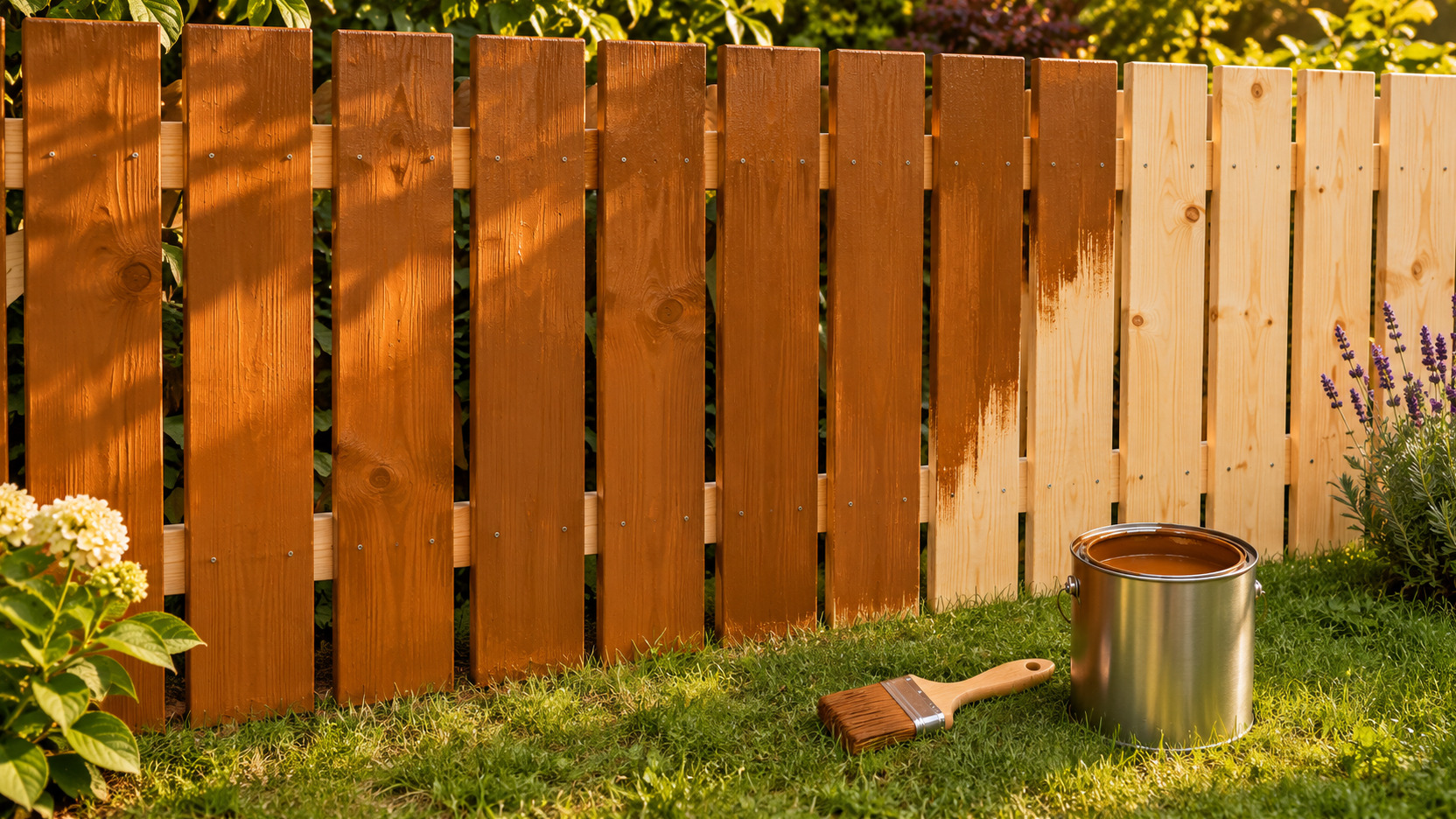
A new fence should be left to weather for a few weeks before painting, so the timber dries and any factory treatment has time to settle. When the wood feels dry, brush off dust, test a patch for adhesion, then apply two thin coats of fence paint made for fresh timber. Painting too soon traps moisture under the finish, and that trapped moisture is what makes new fence paint peel.
What to check before you buy painting a new fence
Many people rush into painting a new fence and skip the wash down, then wonder why the finish peels in patches before the year is out. Take a photo of the fence panel before painting a new fence and after, because comparing the two shows whether the preparation actually made a difference.
Read the safety notes for painting a new fence and wear gloves and eye protection when you sand or spray near the fence panel. A drop cloth under the fence panel saves more time than it costs, and painting a new fence goes faster when you are not worrying about the floor.
Tools that make painting a new fence easier
Ventilation helps painting a new fence indoors as well, so open a window and let air move across the fence panel while the paint settles. Storage matters too: keep leftover paint for painting a new fence sealed, labelled and out of frost, because a ruined tin helps nobody. The notes on painting a new fence sit well beside best fence paint when you are weighing up the options for the fence panel.
The life you get from painting a new fence depends on exposure, traffic and preparation, and no honest guide can promise a fixed number of years. A steady pace suits painting a new fence better than speed, and the fence panel will reward unhurried brushwork with a far more even finish. Do not stretch paint too far when you do painting a new fence, since a thin, starved coat on the fence panel will not protect it the way a full coat does.
Common mistakes with painting a new fence
The order of work matters with painting a new fence: repair first, then clean, then prime, then paint, and never in the other direction. Old paint that is glossy needs a light key before painting a new fence, while flaking paint needs to come off altogether rather than being painted over. Sanding the fence panel lightly gives painting a new fence something to grip, and skipping that step is one of the commonest reasons paint lifts later.
Masking and cutting in take patience with painting a new fence, yet they are what separate a tidy fence panel from one that looks hurried. Ask yourself how much wear the fence panel will take before you settle on painting a new fence, because a busy area needs a tougher finish than a sheltered one. The notes on painting a new fence sit well beside ronseal fence paint when you are weighing up the options for the fence panel.
Rushing the first coat is how most painting a new fence jobs come undone. That holds true for painting a new fence on the fence panel.
When painting a new fence is not the right answer
If rain is forecast, put painting a new fence off rather than gambling, because a shower on a fresh coat can ruin a whole day of work on the fence panel. Thick paint is not better paint where painting a new fence is concerned, and a heavy coat on a rough fence panel will sag, crack or take far too long to dry.
A brush, a roller or a sprayer can each suit painting a new fence, but the choice should follow the texture of the fence panel rather than habit. People often blame the paint when painting a new fence goes wrong, yet the real cause is usually a fence panel that was damp, dirty or never properly keyed.
Preparing the fence panel properly for painting a new fence
Before you open a tin for painting a new fence, run your hand over the fence panel and look for flaking, chalking or soft spots that need attention first. The first thing to check with painting a new fence is the state of the fence panel underneath, since a tired surface will show through even the most careful top coat.
A test patch is the cheapest insurance for painting a new fence, and a small square on the fence panel will tell you more than any review can. Mix tins of the same colour together before painting a new fence if you have more than one, since small batch differences can show on a large fence panel. Children and pets should stay away from the fence panel while painting a new fence is wet, and tools should be washed or wrapped between coats.
Working in awkward spots with painting a new fence
If the fence panel is in a damp spot, painting a new fence needs extra care with ventilation and drying, because moisture is what undermines most exterior paint. When you touch up painting a new fence, feather the new paint into the old so the repair on the fence panel blends rather than standing out. Fading, chalking and peeling all start at weak points, so painting a new fence lasts longest where the fence panel was prepared with care.
If you are new to painting a new fence, practise on a hidden stretch of the fence panel first, because confidence comes faster than a mistake can be fixed. Keep a wet edge while you work on painting a new fence, because a dry join across the fence panel will show as a lap mark once the light catches it.
Before you buy anything for painting a new fence
Before you spend anything on painting a new fence, check the fence panel in daylight, note what is bare, what is flaking and what is damp, and take those notes about the fence panel to the shop with you. Buying painting a new fence with the surface in mind is how you end up with the right tin for the fence panel the first time.
Bare patches soak up paint unevenly, so painting a new fence looks patchy unless the fence panel is sealed or primed where it needs it.
More guides on this topic