Home / Crown Paint / Most Popular Crown Colours
Crown Paint
Most Popular Crown Colours
Short Answer
Popular Crown shades cluster around soft neutrals, sage greens and deep blues. Treat the trend as a shortlist, and test the shade in your own room before you commit.
At a Glance
- No ranking: No single published list proves which shade sells most
- Widely discussed: Soft whites, warm greys, sage greens and deep blues
- Popular is not personal: A popular shade can still be wrong for your light
- Test first: A patch on your wall beats a trend list
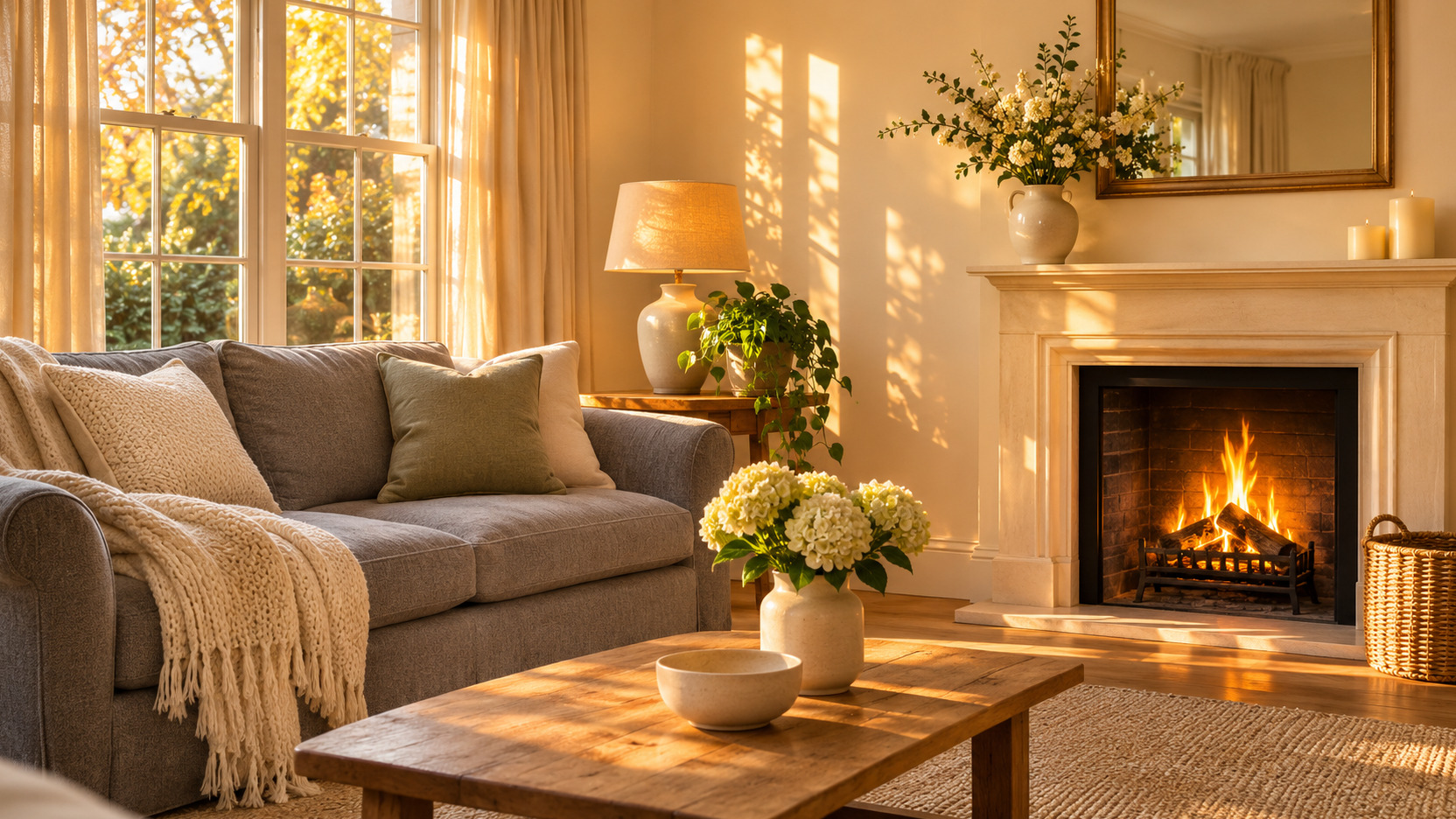
Ask a stockist which Crown colours people ask for most, and you will hear the same kinds of shades again and again: soft whites, warm greys, sage greens and deep blues. A popular shade can still be wrong for your room, so treat the list below as a place to start looking, not as a colour to buy blind.
Why there is no firm ranking
Paint brands do not always publish sales figures by shade, and Crown is no exception. What you see in shops, in magazines and in online discussions is a mix of promotion, trend and genuine use, and it is hard to separate the three. A shade that is widely discussed may be widely used, or it may simply be widely photographed, and a shade that is promoted heavily will appear more often than one that is quietly bought.
This guide therefore talks about shades that are widely discussed and commonly recommended, rather than claiming a firm ranking. That caution matters, because a colour that is popular in one kind of home may be wrong in another. A shade that suits a bright, modern flat can look cold in a dark cottage, and a shade that suits a large living room can overwhelm a small bedroom.
Whites and warm neutrals people ask for
Soft whites are among the most commonly recommended Crown shades, because they suit almost any room and sit well with most furniture. A warm white with a soft undertone can make a room feel calm and light, while a cooler white suits a modern, bright space. The key is the undertone, and the chart is the place to compare warm and cool whites side by side, rather than trusting a name.
Warm neutrals, including soft beiges and greiges, are also widely discussed, since they add warmth without the commitment of a strong colour. They suit hallways, living rooms and bedrooms, and they work as a backdrop for bolder furniture or art. A warm neutral is a safe choice, but it still needs a patch test, since the undertone can surprise you, and a beige that looked warm in the shop can look pink at home.
Greys: pale, mid and charcoal
Greys remain a staple in the Crown range, and pale greys are among the most commonly chosen shades for living rooms and bedrooms. A pale grey can feel light and modern, while a mid grey adds depth and a sense of calm. Darker greys and charcoals are used as feature walls, where they create a focal point without the commitment of a strong colour, and they suit a large room better than a small one.
The risk with grey is the undertone. Greys often lean blue, green or pink, and the lean is clearer on a large wall than on a small card. In a north facing room a grey that looked neutral in the shop can turn blue, and under warm lamplight it can turn pink. Test a large patch and look at it at different times of day before you commit to a grey, since the undertone is the whole decision.
A popular Crown shade is a good place to start, but your light, your room and your furniture make the final choice.
Sage greens and the nature look
Sage green and other soft greens are widely discussed as Crown shades, and they suit the current taste for calm, nature led rooms. A soft sage works in bedrooms, living rooms and kitchens, where it feels fresh without being loud. Deeper greens are used for dining rooms, studies and feature walls, where they add richness and depth, and they suit a room with good light and dark wood.
Greens change with light more than neutrals do, so a patch test matters even more. A sage that looks fresh in daylight can look dull under lamplight, and a deep green that looks rich on a card can look almost black on a large wall. Test the shade in the room, beside the wood and flooring it will sit with, and live with the patch for a few days before you buy.
Deep blues as an accent
Deep blues are also widely recommended, from soft denim shades to darker navy tones. A deep blue suits a bedroom or a living room feature wall, where it creates a calm, cocooning feel, and it suits a front door or a piece of furniture, where a bold shade can be enjoyed without committing a whole room to it. A blue that is too dark for a small room can still work on one wall, with pale walls elsewhere.
Bold shades need good preparation and enough coats, since a dark colour shows wall faults and needs even coverage. They also need the right light: a deep blue in a dark room can feel heavy, while the same shade in a bright room can feel rich. Sample the shade as a large patch, and consider using it on one wall rather than all four, since one dark wall is often the most successful use of the shade.
Using a popular shade well
Use a popular shade as a shortlist, not as a decision. Pick two or three widely recommended shades that fit your room, test them as large patches, and choose the one that looks right in your light. Consider the room's direction, the size, the furniture and the flooring, since all of them affect how a colour reads. A popular shade that suits your room is a good buy, while a popular shade that fights your room is not, however many people recommend it.
Think about the whole house too. A colour that is popular on its own may clash with the shade in the next room, especially where rooms meet at a doorway. The Crown colours guide covers the wider range, and testing the shortlisted shades together is the way to choose a set that flows, rather than a set of separate favourites that jar at every doorway. Use the colour chart to compare the shortlisted shades side by side.
More guides on this topic