Home / How to Paint and Preparation / How to Paint a Room Step by Step
How to Paint and Preparation
How to Paint a Room Step by Step
Short Answer
How to paint a room comes down to three things: a clean and dry room wall, a product made for that surface, and thin even coats of how to paint a room applied with patience. Get those three right with how to paint a room and the finish will look tidy and hold up, while skipping one will show on the room wall sooner or later.
At a Glance
- Tools: brush, roller or sprayer to suit how to paint a room on the room wall
- Finish: tidy and even how to paint a room when the room wall is prepared well
- Maintenance: wash the room wall gently and touch up how to paint a room where it wears
- Avoid: painting a damp or dirty room wall with how to paint a room
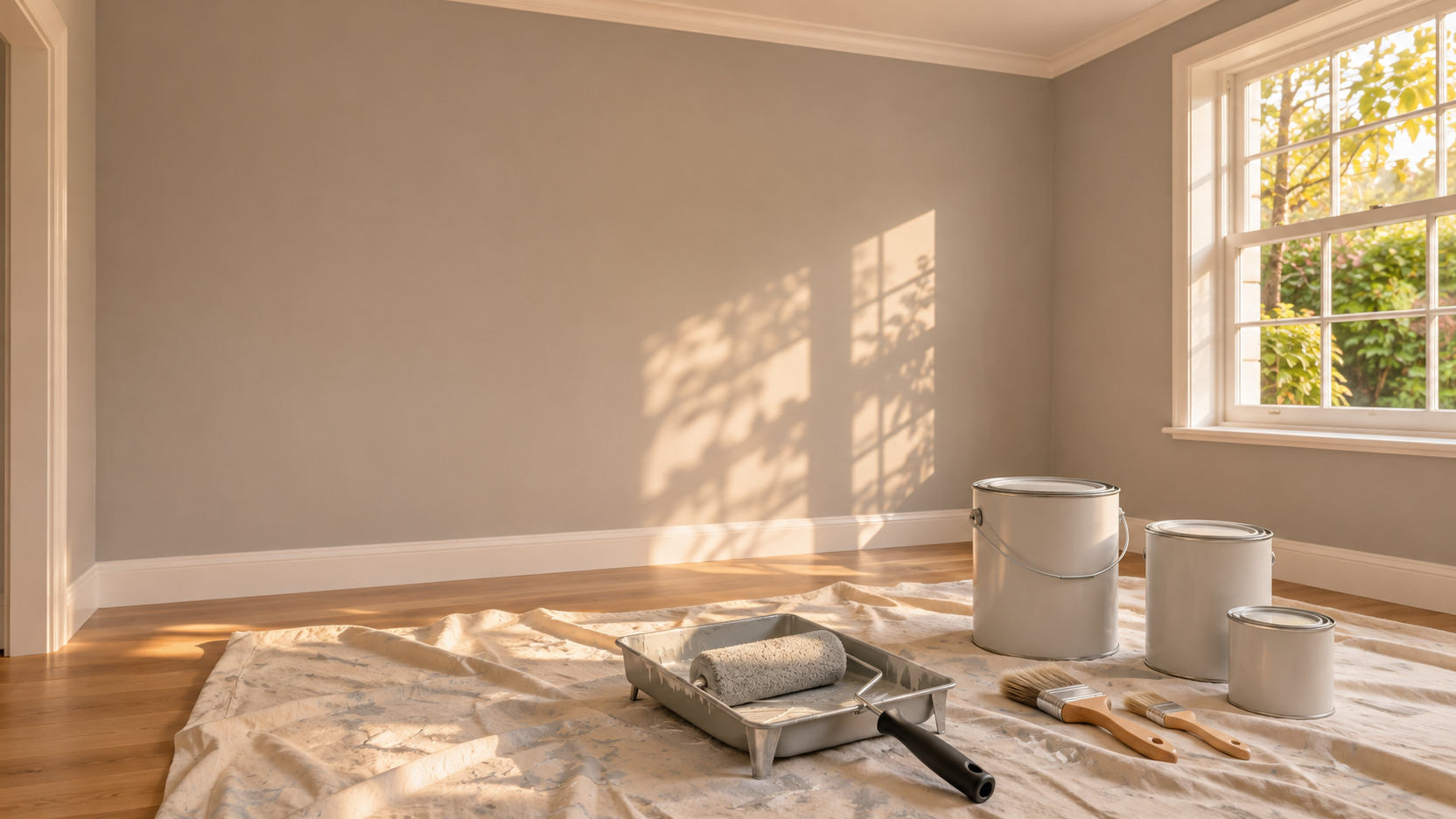
Paint a room by clearing the space, filling and sanding flaws, cutting in edges with a brush, then rolling walls in sections from the ceiling down. Work one wall at a time, keep the roller loaded evenly, and let the first coat dry fully before the second. Good light, a steady pace and tidy drop sheets make the difference between a neat finish and a weekend of touch ups.
What how to paint a room really involves
The label on a tin for how to paint a room is a starting point, not a promise, so test a small patch on the room wall and see how it behaves first.
A good result from how to paint a room depends far more on preparation than on the tin you pick, and that is where most jobs are won or lost.
How how to paint a room stands up over time
If the room wall might hide old lead paint, stop and get advice before you sand it, because how to paint a room is not worth a health risk. Buy enough paint for how to paint a room before you start, because running out halfway across the room wall can leave a visible join in the finish. The notes on how to paint a room sit well beside painting radiators when you are weighing up the options for the room wall.
Strong smells fade as paint cures, but how to paint a room is still best done with the room aired and the room wall left undisturbed. A tin kept for how to paint a room should be labelled with the room, the room wall and the date, so a future touch up matches without guesswork.
Some parts of the room wall will wear faster than others, so expect to touch up the busiest spots when you maintain how to paint a room. Check the finish on the room wall the next morning before you judge how to paint a room, since paint settles and changes as it cures. Two lighter coats will almost always beat one heavy coat for how to paint a room, and the room wall will look better and last longer for it.
Colour and finish choices for how to paint a room
Work from the top of the room wall downwards when you tackle how to paint a room, so drips land on wet paint rather than on a finished section. Primer is not an optional extra for how to paint a room on bare or patched areas of the room wall, and it saves paint and trouble further down the line.
Dust is the enemy of how to paint a room, so wipe the room wall down after sanding and let it settle before you pick up a brush. Keep your tools clean while you work on how to paint a room, since a clogged brush or a dried roller sleeve leaves marks across the room wall. A finish for how to paint a room should suit the way the room wall is used day to day, not just the way it looks on the day you finish painting. The notes on how to paint a room sit well beside painting caulk when you are weighing up the options for the room wall.
Preparation is the paint job for how to paint a room; the colour is only the last step. That holds true for how to paint a room on the room wall.
Applying how to paint a room without the usual faults
The colour you choose for how to paint a room will look different on the room wall than it does on a chart, so always try a tester in the real spot. Thin, even coats are the quiet secret behind how to paint a room, and each one should be left to settle before the next goes on. When you plan how to paint a room, allow time for the room wall to dry fully between stages, because trapping moisture under paint causes blisters and peeling. The notes on how to paint a room sit well beside bathroom tiles when you are weighing up the options for the room wall.
If the room wall feels powdery or crumbles under a fingernail, how to paint a room needs a stabilising step before any colour goes on at all. The room wall tells you what how to paint a room needs, so read the surface before you read the label and let the condition of the material set the pace.
Many people rush into how to paint a room and skip the wash down, then wonder why the finish peels in patches before the year is out. Take a photo of the room wall before how to paint a room and after, because comparing the two shows whether the preparation actually made a difference.
Keeping how to paint a room looking good
Read the safety notes for how to paint a room and wear gloves and eye protection when you sand or spray near the room wall. A drop cloth under the room wall saves more time than it costs, and how to paint a room goes faster when you are not worrying about the floor.
Ventilation helps how to paint a room indoors as well, so open a window and let air move across the room wall while the paint settles. Storage matters too: keep leftover paint for how to paint a room sealed, labelled and out of frost, because a ruined tin helps nobody.
Choosing the right option for how to paint a room on your room wall
The life you get from how to paint a room depends on exposure, traffic and preparation, and no honest guide can promise a fixed number of years. A steady pace suits how to paint a room better than speed, and the room wall will reward unhurried brushwork with a far more even finish. The notes on how to paint a room sit well beside how to cut in when when you are weighing up the options for the room wall.
Do not stretch paint too far when you do how to paint a room, since a thin, starved coat on the room wall will not protect it the way a full coat does. The order of work matters with how to paint a room: repair first, then clean, then prime, then paint, and never in the other direction. Old paint that is glossy needs a light key before how to paint a room, while flaking paint needs to come off altogether rather than being painted over.
What to check before you buy how to paint a room
Sanding the room wall lightly gives how to paint a room something to grip, and skipping that step is one of the commonest reasons paint lifts later. Masking and cutting in take patience with how to paint a room, yet they are what separate a tidy room wall from one that looks hurried. Ask yourself how much wear the room wall will take before you settle on how to paint a room, because a busy area needs a tougher finish than a sheltered one.
If rain is forecast, put how to paint a room off rather than gambling, because a shower on a fresh coat can ruin a whole day of work on the room wall. Thick paint is not better paint where how to paint a room is concerned, and a heavy coat on a rough room wall will sag, crack or take far too long to dry.
A quick check before you start how to paint a room
Before you open the tin for how to paint a room, walk the room wall once more and tick off the basics: clean, dry, sound, primed where bare and masked where it matters. If every one of those is true for how to paint a room, the painting itself is the easy part, and the finish on the room wall will show the care you took at the start.
A brush, a roller or a sprayer can each suit how to paint a room, but the choice should follow the texture of the room wall rather than habit.
More guides on this topic