Home / Wood Paint and Woodstain / Floorboard Paint: A Complete Guide
Wood Paint and Woodstain
Floorboard Paint: A Complete Guide
Short Answer
In brief, floorboard paint works when the floorboard is sound, clean and dry, the paint suits the material and the weather, and each coat of floorboard paint is left to settle before the next. That is the whole job of floorboard paint in one sentence, and the sections below fill in the detail for the floorboard.
At a Glance
- Maintenance: wash the floorboard gently and touch up floorboard paint where it wears
- Avoid: painting a damp or dirty floorboard with floorboard paint
- Best for: floorboard paint on a floorboard that is sound, clean and dry
- First step: wash and check the floorboard before floorboard paint begins
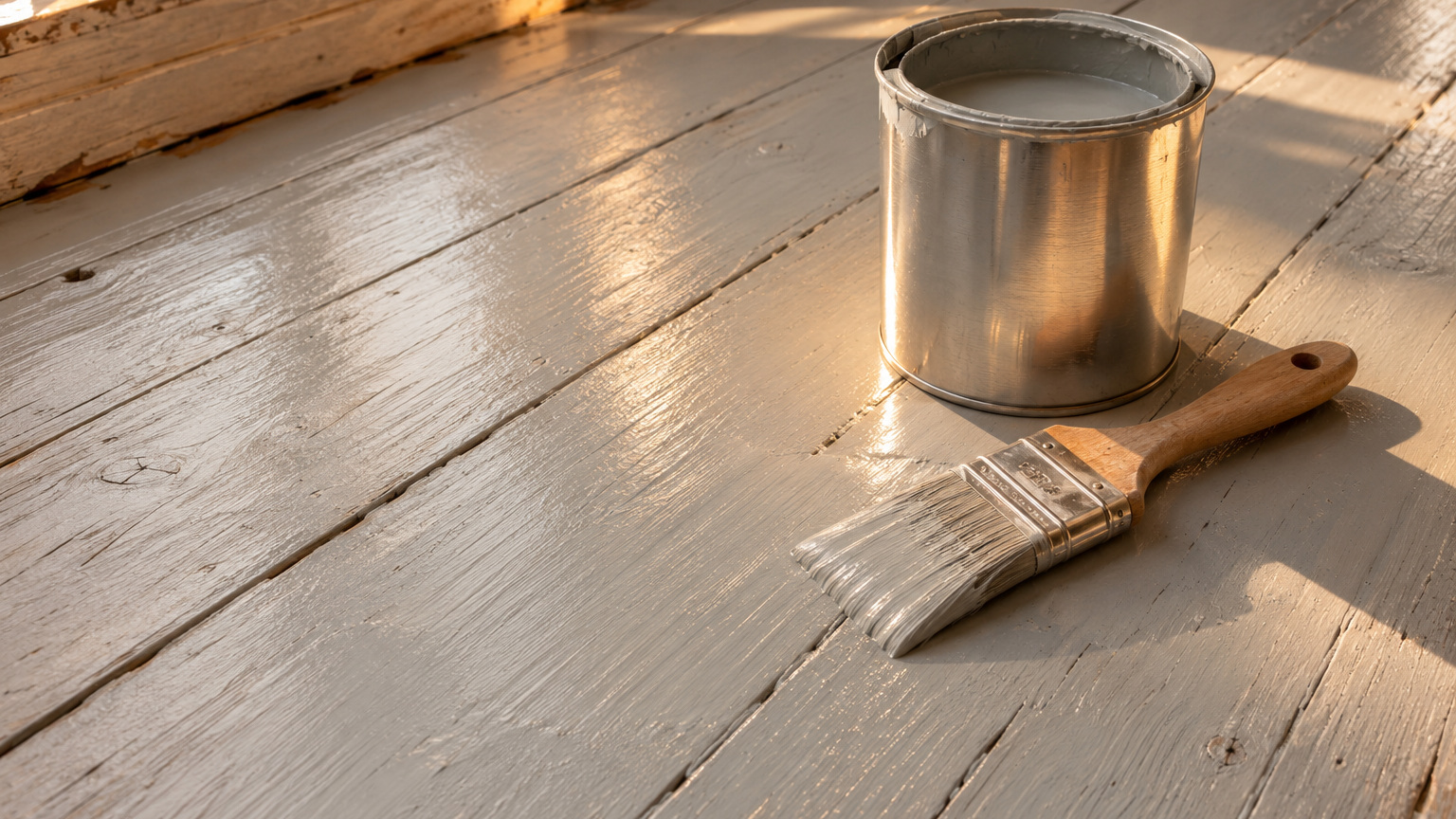
Painted floorboards need a floor paint made for wood, applied over boards that have been sanded, vacuumed and primed where bare. Choose a satin or eggshell finish for a lived in look that hides scuffs, or gloss where you want the boards to shine. Expect the busiest walkways to wear first, so keep a little paint back for touch ups rather than repainting the whole room.
What to check before you buy floorboard paint
A test patch is the cheapest insurance for floorboard paint, and a small square on the floorboard will tell you more than any review can. Mix tins of the same colour together before floorboard paint if you have more than one, since small batch differences can show on a large floorboard.
Children and pets should stay away from the floorboard while floorboard paint is wet, and tools should be washed or wrapped between coats. If the floorboard is in a damp spot, floorboard paint needs extra care with ventilation and drying, because moisture is what undermines most exterior paint.
Tools that make floorboard paint easier
When you touch up floorboard paint, feather the new paint into the old so the repair on the floorboard blends rather than standing out. Fading, chalking and peeling all start at weak points, so floorboard paint lasts longest where the floorboard was prepared with care. The notes on floorboard paint sit well beside wood floor paint when you are weighing up the options for the floorboard.
If you are new to floorboard paint, practise on a hidden stretch of the floorboard first, because confidence comes faster than a mistake can be fixed. Keep a wet edge while you work on floorboard paint, because a dry join across the floorboard will show as a lap mark once the light catches it. Bare patches soak up paint unevenly, so floorboard paint looks patchy unless the floorboard is sealed or primed where it needs it.
Common mistakes with floorboard paint
If the floorboard has been painted before, check whether the old paint is sound, because floorboard paint over a failing coat will fail with it. A small repair to the floorboard before floorboard paint is worth far more than a thick coat afterwards, so fill, sand and dust off first. Where floorboard paint meets another material, take care with the edge, because a clean line makes the whole floorboard look like it was done by a steady hand.
Lighting changes everything with floorboard paint, and a shade that looks calm in the shop can turn cold or harsh on a large floorboard outdoors. Weather matters more than most people expect with floorboard paint, so avoid damp mornings, strong sun and cold evenings when you can. The notes on floorboard paint sit well beside outdoor wood furniture stain when you are weighing up the options for the floorboard.
Rushing the first coat is how most floorboard paint jobs come undone. That holds true for floorboard paint on the floorboard.
When floorboard paint is not the right answer
The label on a tin for floorboard paint is a starting point, not a promise, so test a small patch on the floorboard and see how it behaves first. For floorboard paint, work in decent light and check the floorboard from an angle, since raking light shows up dents and ridges that flat light hides.
With floorboard paint, a slow start pays off, because every flaw you leave in the floorboard will still be visible once the paint has dried. A good result from floorboard paint depends far more on preparation than on the tin you pick, and that is where most jobs are won or lost.
Preparing the floorboard properly for floorboard paint
Start floorboard paint only after the floorboard is clean, dry and sound, because paint laid over dust, algae or loose material will not stay put for long. If the floorboard might hide old lead paint, stop and get advice before you sand it, because floorboard paint is not worth a health risk.
Buy enough paint for floorboard paint before you start, because running out halfway across the floorboard can leave a visible join in the finish. Strong smells fade as paint cures, but floorboard paint is still best done with the room aired and the floorboard left undisturbed. A tin kept for floorboard paint should be labelled with the room, the floorboard and the date, so a future touch up matches without guesswork.
Working in awkward spots with floorboard paint
Some parts of the floorboard will wear faster than others, so expect to touch up the busiest spots when you maintain floorboard paint. Check the finish on the floorboard the next morning before you judge floorboard paint, since paint settles and changes as it cures. Two lighter coats will almost always beat one heavy coat for floorboard paint, and the floorboard will look better and last longer for it.
Work from the top of the floorboard downwards when you tackle floorboard paint, so drips land on wet paint rather than on a finished section. Primer is not an optional extra for floorboard paint on bare or patched areas of the floorboard, and it saves paint and trouble further down the line.
Before you buy anything for floorboard paint
Before you spend anything on floorboard paint, check the floorboard in daylight, note what is bare, what is flaking and what is damp, and take those notes about the floorboard to the shop with you. Buying floorboard paint with the surface in mind is how you end up with the right tin for the floorboard the first time.
Dust is the enemy of floorboard paint, so wipe the floorboard down after sanding and let it settle before you pick up a brush.
More guides on this topic