Home / Best Paint for a Surface or Room / Best Paint for UPVC Doors and Windows
Best Paint for a Surface or Room
Best Paint for UPVC Doors and Windows
Short Answer
Use a paint and primer made for UPVC. Clean and degrease the frames, sand them lightly, mask the glass and seals, then apply thin coats in dry weather. A proper UPVC system lasts far longer than a general paint.
At a Glance
- Best paint: UPVC or multi surface paint over a UPVC primer
- Prep: wash, degrease and sand lightly to give a key
- Weather: paint on a dry, mild day with no rain due
- Protect: mask glass, seals and handles before you start
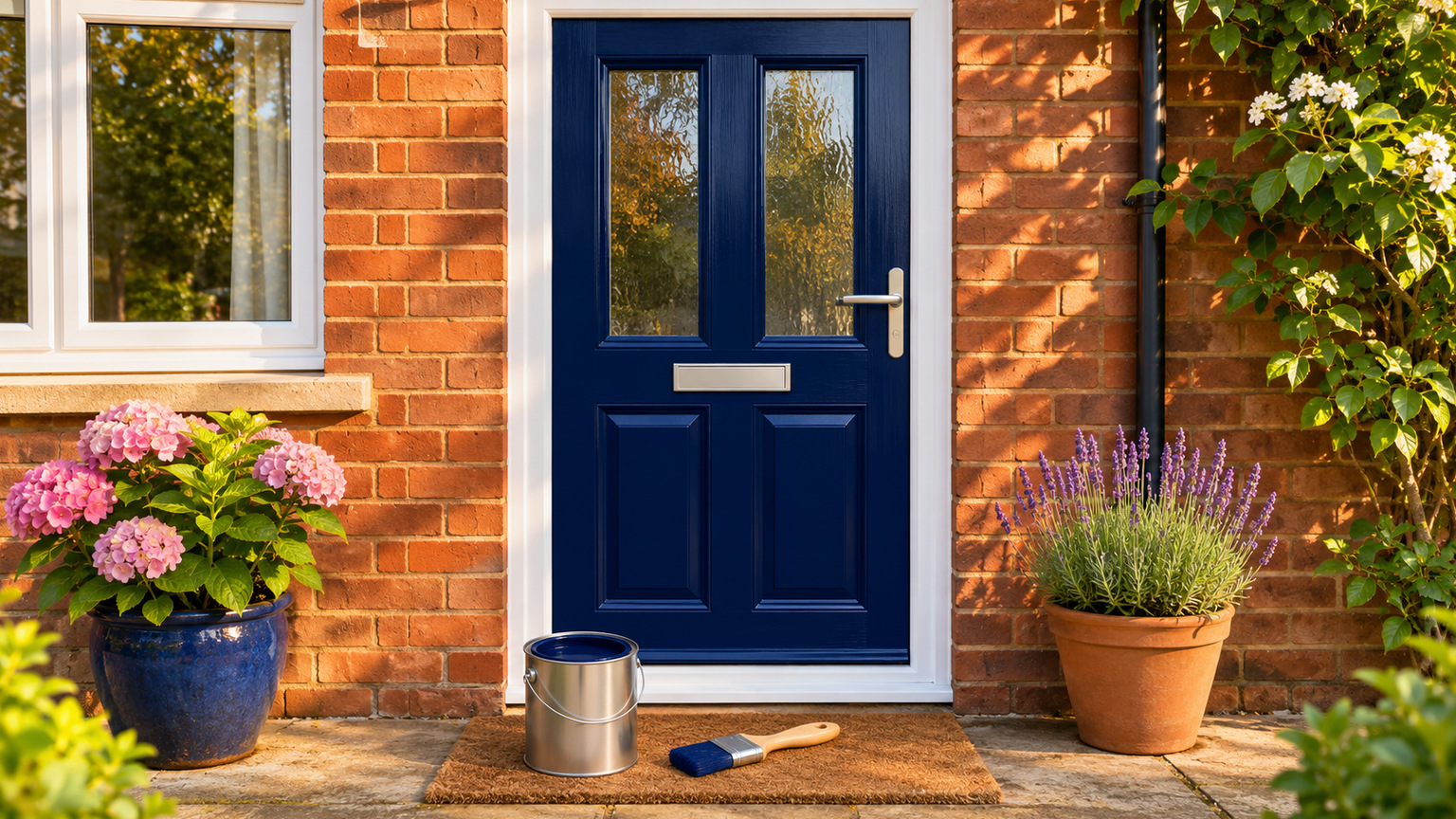
The best paint for UPVC doors and windows is a multi surface or specialist UPVC paint used over a UPVC primer, on frames that are clean, dry and lightly sanded. UPVC is smooth, weatherproof and slightly flexible, so ordinary paint will peel off it. A system made for UPVC bonds to the surface, flexes with the frame, and stands up to rain, sun and frost without cracking.
Why UPVC needs its own paint
UPVC is made to shed water and resist weather, and it does the same to paint. The surface is smooth and non porous, so a normal emulsion or gloss has nothing to grip. UPVC also moves slightly with temperature, expanding in sun and contracting in cold, so a brittle paint will crack along the frame.
A paint made for UPVC is made to bond to that slick surface and to flex with it. It also resists sun, which fades ordinary paint quickly on a south facing door. That is why a UPVC system, with its own primer and topcoat, is worth buying rather than using a leftover tin of trim paint.
Choosing a UPVC paint
Look for a paint that lists UPVC among its surfaces, and check whether it needs a separate primer. Some systems are sold as a primer and topcoat pair, while others are a single multi surface paint that the maker lists for UPVC. Read the tin for exterior use, sun resistance and the finish, which is usually satin. Inside, tough paint for cupboards needs the same careful degreasing before it goes on.
Colour matters on UPVC, because a very dark colour absorbs more heat from the sun and can make the frame expand more. A mid tone or a pale colour is safer on a south facing door, and it shows dust less than a very dark shade. If you want a dark front door, the guidance on painting plastic explains why a test and the right primer matter even more there.
Cleaning and preparing UPVC
Wash the frames with warm soapy water to remove dirt, then use a UPVC cleaner or sugar soap to degrease them. Rinse well and let them dry fully. Pay attention to the corners and the seal areas, where grime collects, and to the door handle area, where hands leave grease. Any residue will stop the primer bonding.
Sand the frames lightly with fine paper, just enough to dull the shine. Do not sand through the UPVC or leave deep scratches. Wipe away the dust with a damp cloth. Mask the glass, the rubber seals and the handles with tape and paper, because paint on glass and seals is hard to remove cleanly and can stop a seal working properly.
Paint on a rubber seal will crack the seal and let in draughts. Mask it.
Priming and painting the frames
Apply the UPVC primer in a thin, even coat with a brush or a small roller, and let it dry as the maker directs. Check the bond on a hidden area before you go further. If the primer grips well, apply the topcoat in thin coats, working along the frame in steady strokes. Two thin coats usually give a better finish than one heavy coat.
Work on a dry, mild day, out of strong direct sun if you can, so the paint does not dry too fast and leave brush marks. Keep the windows and doors closed while you paint, and do not open them until the paint is dry, or the frame may stick to the seal. Let the paint harden properly before you use the door hard.
Painting a front door
A front door takes more weather and more use than a window frame, so it deserves extra care. Remove the handle, the letterbox and any other fittings if you can, and mask what you cannot remove. Paint the panels and the mouldings first, then the flat areas, in thin coats, and let each coat dry fully.
Choose a colour that suits the house and the street, and test it on a hidden area first. A front door is the first thing a visitor sees, so a neat finish matters. Give the door time to harden before you fit the fittings back, and check that the door still closes smoothly once the paint has dried.
Common mistakes to avoid
The most common mistake is painting over dirt or grease, which stops the primer bonding and leads to peeling. The second is painting in rain or on a very hot day, which dries the paint too fast or washes it off. The third is painting the rubber seals, which cracks them and lets in water and draughts.
Another mistake is using a dark colour on a south facing frame without checking the maker guidance, because heat can warp the frame. If you are unsure, ask the paint maker or choose a lighter shade. A little caution here saves a costly repair later.
Keeping painted UPVC looking good
Clean painted UPVC with a soft cloth and warm soapy water, and avoid abrasive cleaners and solvents, which can dull the finish. Wipe the frames after rain where you can, and check the paint each spring for chips or wear, especially on the door and the window sills.
Touch up chips early, with a little primer on any bare UPVC first, so water does not get under the paint. With a proper UPVC system and gentle cleaning, a painted frame should stay smart for years, and a fresh coat later is far easier because the groundwork is already there. For the woodwork around the frames, a trim paint for doors gives a matching, durable finish inside the house.
More guides on this topic